Ways To Manage Stress While Quitting Nicotine
Quitting nicotine is one of the most positive health decisions a person can make. However, the process often involves not just breaking a physical dependence, but also managing emotional and psychological stress. Nicotine impacts brain chemistry, mood regulation, and daily routines, so when it’s removed, the body and mind need time to adjust. Understanding stress and its role in cravings can make your quit journey more manageable and sustainable.
Why Stress Can Increase During Nicotine Withdrawal
Nicotine stimulates the release of neurotransmitters like dopamine and serotonin, chemicals that influence mood and reward signals in the brain. When nicotine is abruptly removed, the brain experiences a shift in these signals, which can lead to symptoms such as irritability, anxiety, difficulty concentrating, and emotional discomfort. These reactions are part of nicotine withdrawal and are well‑documented in cessation research from the Centers for Disease Control and Prevention (CDC).
Research such as The Neurobiology of Stress-Induced Nicotine Relapse also shows that stress can be a major trigger for continued nicotine use, as people often use nicotine to self-soothe or cope with tension. Addressing stress proactively can help reduce the likelihood of relapse during challenging moments.
Understand the Stress–Craving Connection
Stress and cravings are closely linked. When stress rises, the brain’s coping mechanisms seek familiar relief, often found in habits or substances like nicotine. This response is driven by the brain’s reward system, which learns to associate certain behaviors with relief or pleasure. By recognizing this pattern, you can begin to separate the urge to vape or smoke from the perception that nicotine is the only way to feel better. This awareness is a powerful first step in managing stress during your quit journey.
Helpful Approaches to Manage Stress Without Nicotine
Practice Mindful Breathing
Mindful breathing exercises engage the body’s relaxation response, reducing the physiological impact of stress. Simple techniques such as slow inhalations and focused exhalations can calm the nervous system and create space between stress and reaction.
Physical Activity and Stress Reduction
Regular movement, whether walking, cycling, yoga, or gentle stretching, releases endorphins and supports mood regulation. Exercise not only improves physical health but also reduces tension, boosts energy, and offers a healthy distraction from cravings.
Build Healthy Social Support
Talking with supportive friends, family, or support groups provides emotional reinforcing signals that are healthier substitutes for nicotine. By sharing your challenges and successes, you reduce feelings of isolation and strengthen motivation.
Establish New Routines
Since many stress moments are tied to routines (like after meals or during breaks), replacing those habitual nicotine moments with new, rewarding activities can help retrain your brain. Journaling, stepping outside for fresh air, or chewing a non-nicotine gummy are examples of alternative practices.
Introducing Quitcubes: A Nicotine‑Free Support Option
Quitting nicotine doesn’t have to be undertaken alone. For those looking for additional support, Quitcubes gummies offer a plant‑powered, nicotine‑free alternative that may help you address moments of stress or craving throughout your day.
Quitcubes are carefully formulated using natural, functional ingredients designed to provide a pleasant sensory experience that may help you stay focused and engaged without nicotine. Many people appreciate having a supportive option available when urges occur, especially during stressful moments when cravings tend to spike.
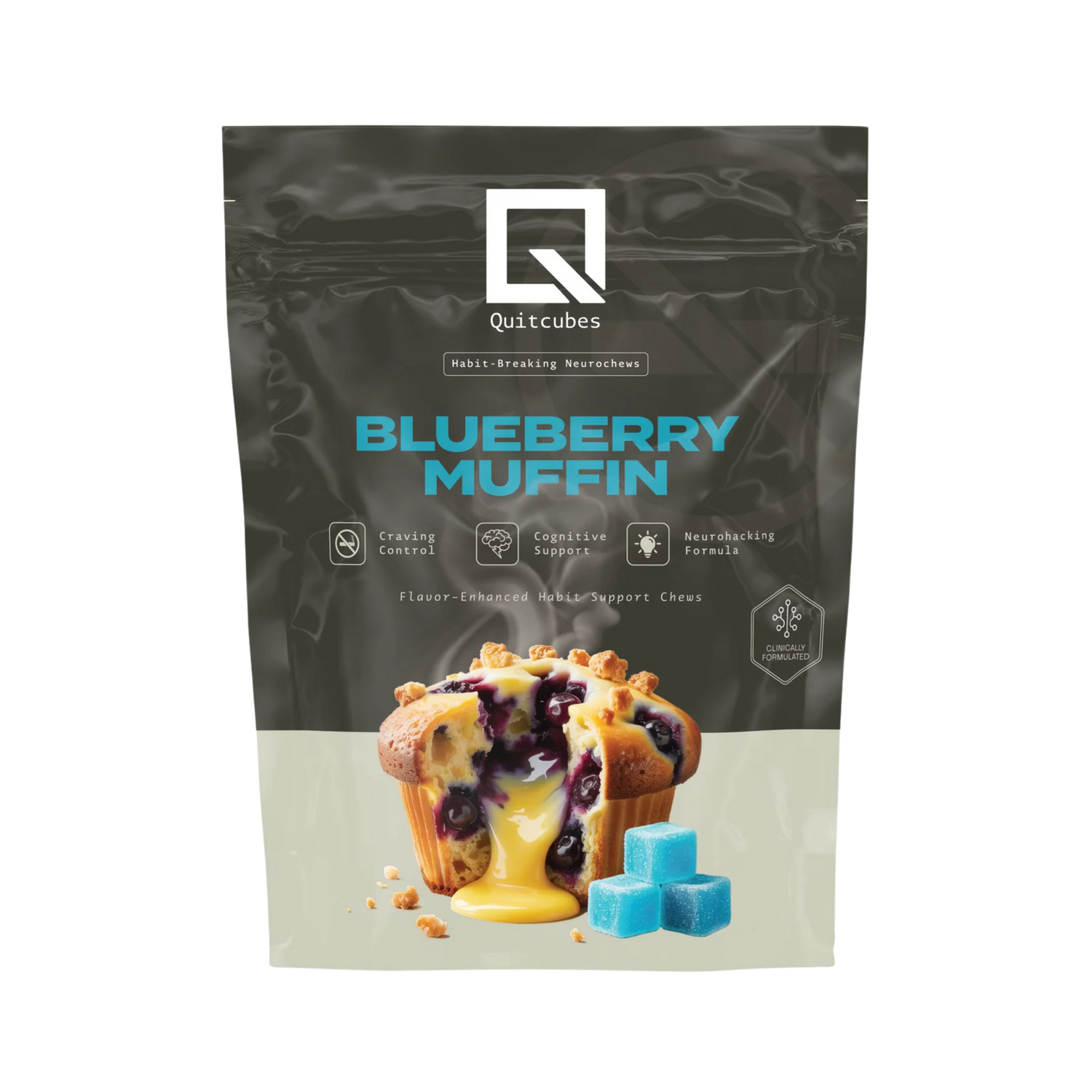
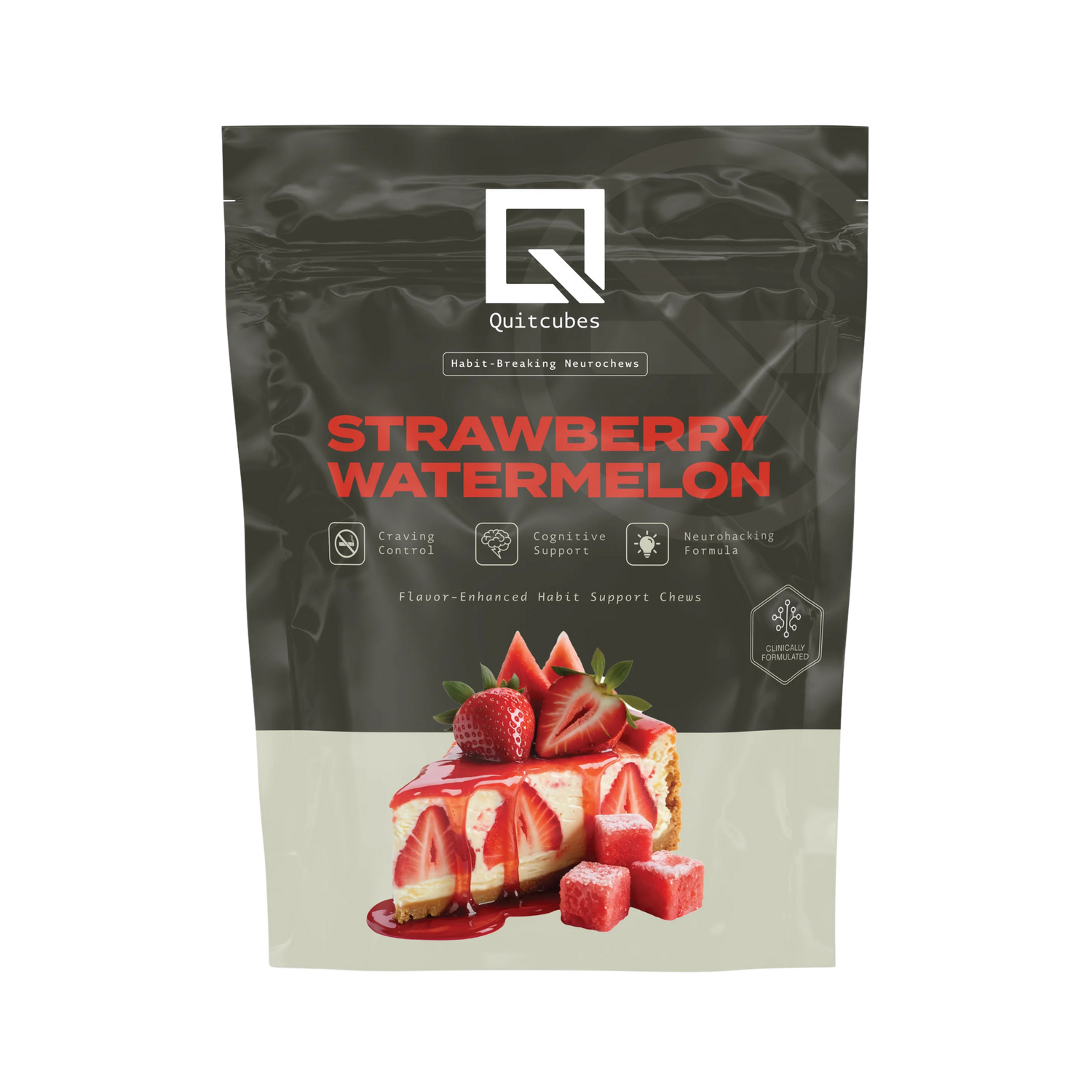
One of the advantages of Quitcubes is their enjoyable flavor experience. With options like Strawberry Watermelon and Blueberry Muffin, the gummies offer a flavorful distraction that may help shift focus from cravings to healthier moments of sensory satisfaction. While Quitcubes are not a guaranteed solution, they can be a helpful tool when used as part of a broader quit plan.
Stress‑Reduction Practices That Complement Tools Like Quitcubes
Combining supportive products with intentional lifestyle practices creates a holistic quit strategy. For example, after a particularly stressful moment, instead of reaching for nicotine, you might enjoy a Quitcube gummy while taking a short walk or practicing a grounding exercise. Over time, your brain begins to associate stress relief with healthier responses, and the urge to rely on nicotine decreases.
Other complementary approaches include regular hydration, mindful stretching, and connecting with others who are also working toward a smoke‑free life.
The Importance of Habit Replacement
Nicotine use often becomes entangled with everyday habits that trigger cravings, from morning rituals to social situations. Thoughtful replacement of these habits with intentional actions helps rewire the brain’s reward associations. Consistently practicing new behaviors builds resilience and reduces stress over time. Understanding that stress‑related cravings will diminish with time and intention can be empowering. Many people find that within weeks of quitting, cravings become less frequent and intense, and stress feels more manageable as new patterns take root.
Try Quitcubes Today
Managing stress while quitting nicotine is a deeply personal experience that involves both emotional awareness and practical strategies. Nicotine withdrawal reshapes brain chemistry and affects mood, but it is important to remember that this process is temporary, and there are effective ways to support yourself through it. Tools like Quitcubes gummies offer a better and nicotine‑free alternative that may help you navigate moments of stress and reduce reliance on nicotine over time.
Quitting nicotine is challenging, but it’s also one of the most rewarding decisions you can make for your long‑term health. With intentional stress‑management strategies and supportive options like Quitcubes, you can create a quit plan that honors your progress, meets your needs, and supports your journey toward a healthier lifestyle.
Try Quitcubes Today
Quitcubes offer a better alternative to smoking and vaping. Break free from nicotine with a plant-powered alternative designed to try to help make the transition away from smoking or vaping easier.