What Nicotine Really Does to Your Body and Brain
Nicotine is often treated as the lesser evil in many conversations about addiction, but make no mistake, it’s one of the most addictive substances on the planet. It doesn't just hook your body; it hijacks your brain. It changes how you think, how you feel, and how your body functions, often in ways that aren't obvious until it's too late.
In fact, nicotine is as addictive as heroin, according to the U.S. Surgeon General. About 85% of smokers relapse within a week of quitting, mainly due to nicotine’s intense grip on the brain's reward system. Whether it’s through cigarettes, vapes, or "tobacco-free" pouches, nicotine keeps you coming back not because you enjoy it, but because your brain thinks it needs it.
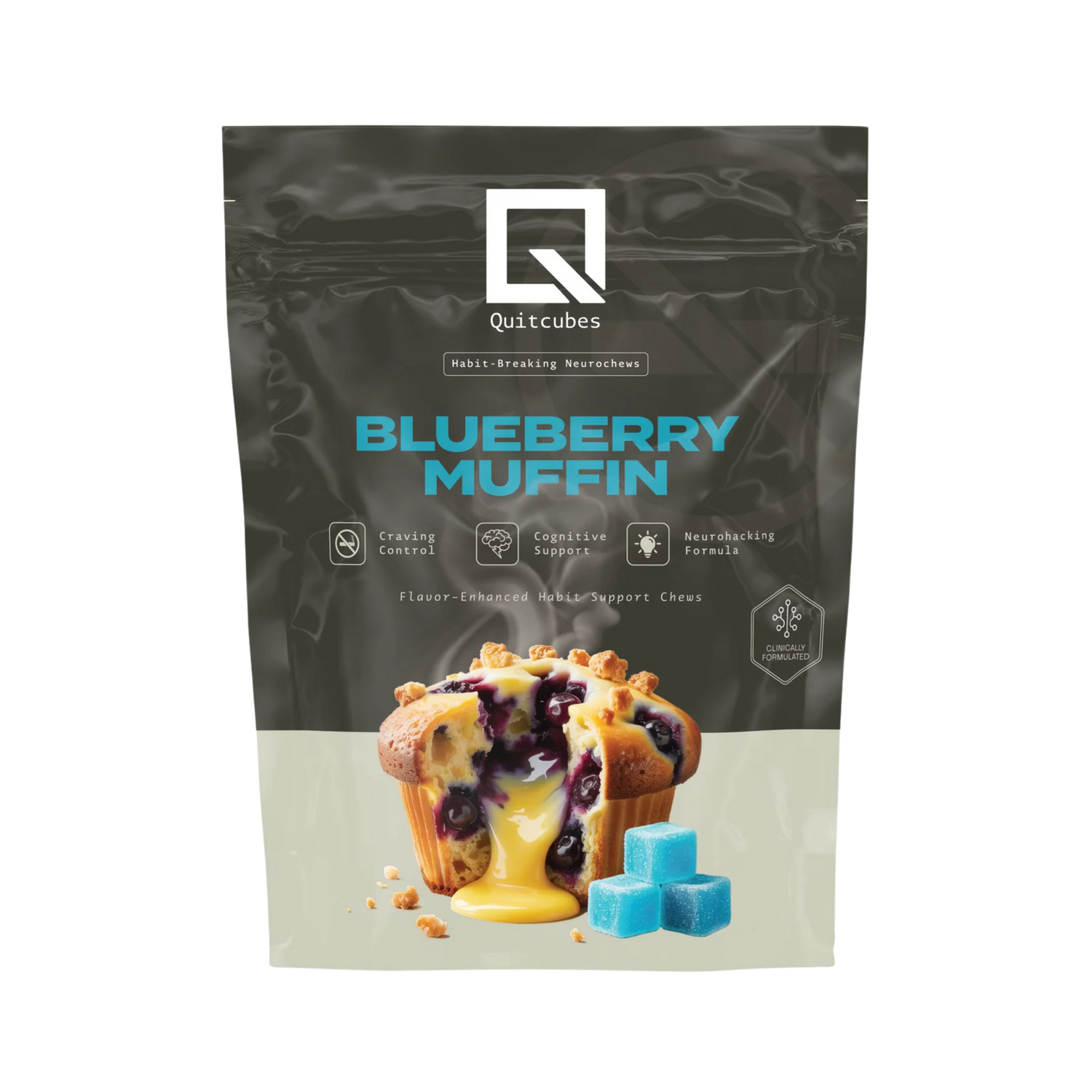
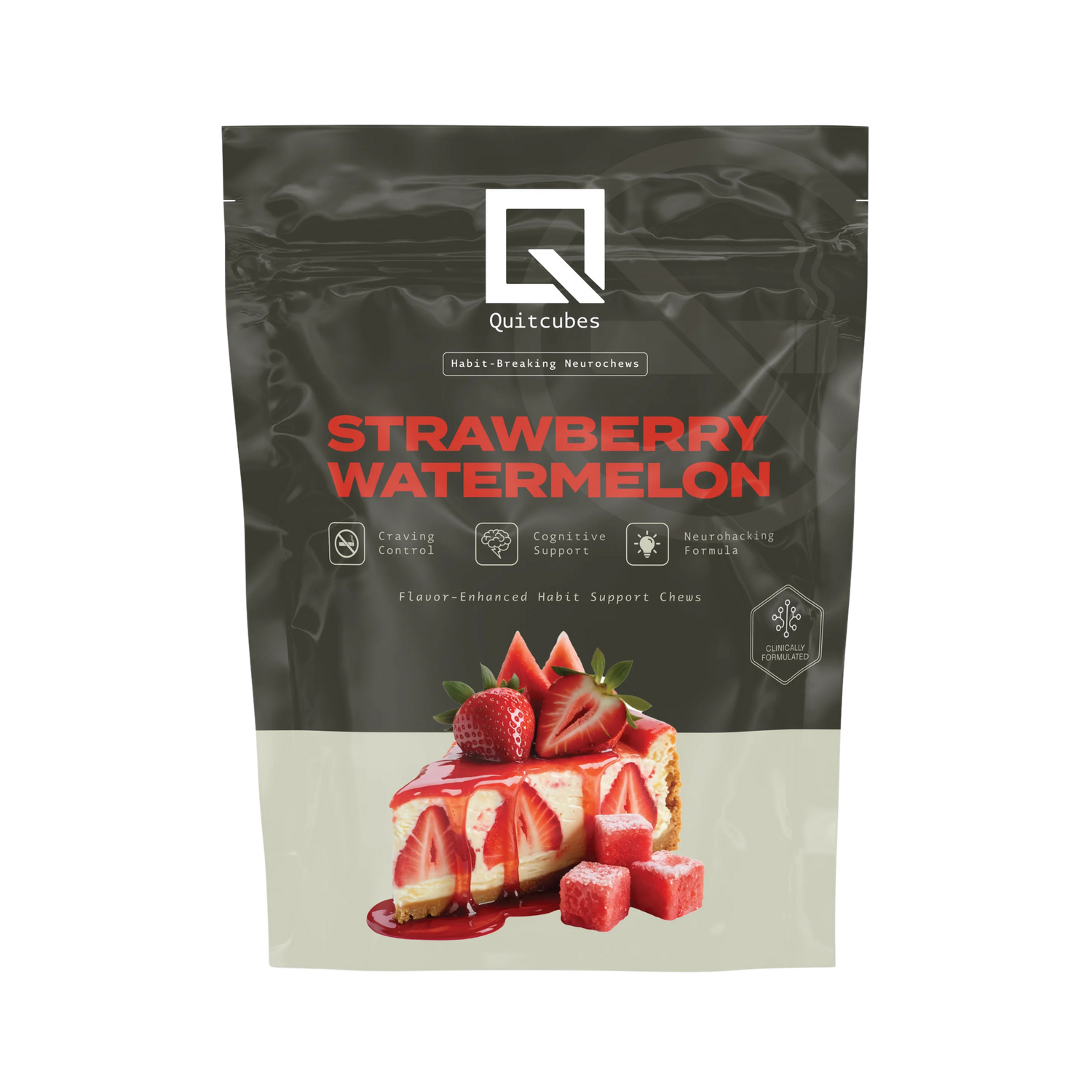
At Quitcubes, we aim to support people who want to reduce or eliminate nicotine from their lives without relying on other nicotine products. Quitcubes offers a 100% nicotine-free gummy option intended to help individuals during cravings, stress, and habit-driven moments.
But before you can truly break free, it’s essential to understand what nicotine is really doing to your body and brain.
How Nicotine Affects the Brain
Nicotine’s power lies in how quickly and profoundly it impacts your neurotransmitters, which are the chemical messengers in your brain.
- Dopamine Hijack: Within seconds of use, nicotine stimulates the release of dopamine, your brain’s “feel good” hormone. This creates a short-term rush of pleasure, satisfaction, and calm. But the effect is temporary, and over time, your brain produces less dopamine naturally, relying more on nicotine to feel normal.
- Mood, Focus & Cognition: In the short term, nicotine can improve focus, memory, and alertness, which is one reason it’s so appealing to students, professionals, and anxious minds. But this is a trap. Over time, it disrupts serotonin and norepinephrine levels, contributing to mood swings, irritability, and even depression.
- Long-Term Brain Changes: Chronic nicotine use rewires your brain, increasing the number of nicotine receptors and making it harder to function without a hit. This is why withdrawal symptoms, like brain fog, anxiety, and irritability, can feel overwhelming. You're not just missing a habit; you're chemically imbalanced until your brain recovers.
The Physical Effects of Nicotine on the Body
Even if you're using "smokeless" options, nicotine still takes a serious toll on your body.
Increased Heart Rate & Blood Pressure
Nicotine stimulates the release of adrenaline, which raises your heart rate, blood pressure, and cardiac workload. This puts long-term stress on your cardiovascular system and increases the risk of heart disease, even in young users.
Vasoconstriction & Circulation Problems
Nicotine causes vasoconstriction, meaning your blood vessels constrict and reduce blood flow to the skin, brain, and vital organs. This can lead to cold hands and feet, slower healing, and increased risk of stroke.
Lung Function Impairment
Even without smoke, inhaling nicotine via vaping can damage lung cells and impair respiratory function. Studies show that vaping increases inflammation in the lungs and can lead to conditions like bronchiolitis obliterans (popcorn lung).
Digestion & Metabolism
Nicotine speeds up metabolism but also disrupts digestion by reducing blood flow to the stomach. It’s linked to acid reflux, ulcers, and inconsistent appetite regulation, all of which can create long-term digestive issues.
Nicotine and Mental Health
One of the biggest myths about nicotine is that it helps with stress and anxiety. The truth is more complicated and more dangerous.
Anxiety & Depression Links
Nicotine might provide temporary stress relief, but it's a band-aid on a bigger problem. Long-term use is strongly associated with higher rates of anxiety, depression, and mood disorders. Why? Because it interferes with the natural production of serotonin and dopamine.
The Stress Cycle
Nicotine creates the stress it claims to relieve. When blood nicotine levels drop, withdrawal symptoms trigger stress, which leads to more nicotine use. It’s a self-sustaining loop that worsens mental health over time.
Withdrawal & Psychological Impact
When you stop using nicotine, the withdrawal isn’t just physical. Irritability, sadness, anxiety, and intense cravings are common and, for many, unbearable without support. That’s why it’s crucial to use a non-addictive aid that addresses both the emotional and behavioral sides of quitting.
Nicotine’s Role in Smoking-Related Diseases
Nicotine itself may not be the direct cause of cancer, but it amplifies the dangers of smoking and vaping in several ways.
Cardiovascular Disease
Nicotine increases cholesterol levels, blood pressure, and heart rate, which are all key factors in heart attacks and strokes. Even in the absence of smoke, it damages your cardiovascular system at every level.
Lung Disease
Nicotine contributes to chronic bronchitis and COPD by inflaming airways and reducing the lungs’ ability to repair themselves. Vaping nicotine may feel smoother than smoking, but it still irritates lung tissue.
Cancer Risk Amplifier
While nicotine isn’t a known carcinogen, it promotes tumor growth and reduces your body’s ability to fight off precancerous cells. Combined with the 7,000+ chemicals in cigarettes or the unknown compounds in vape aerosols, nicotine becomes a high-risk multiplier.
Nicotine in Vaping vs. Traditional Cigarettes
You’ve probably heard the claim that “vaping is safer than smoking”, and while it’s true that vaping eliminates tar and combustion, that doesn’t mean it’s harmless. Vapes still deliver high concentrations of nicotine, often in greater amounts than traditional cigarettes, and because they’re more discreet and accessible, users usually consume more without realizing it. The method of delivery may differ, but the impact on your heart, lungs, brain, and overall health remains serious. Additives in vape liquids can irritate or damage lung tissue, and early research has linked vaping to lung injury, cardiovascular strain, and increased addiction risk. So, while vaping may be less harmful in some ways, it still keeps the nicotine addiction alive, and that makes it far from a safe long-term solution.
The Challenges of Quitting Nicotine
Quitting nicotine is one of the toughest challenges a person can face. Not because of a lack of willpower, but because of how deeply nicotine affects both the brain and body. It activates the same reward circuits as drugs like cocaine and heroin, creating a powerful chemical and behavioral dependency. Over time, your brain adapts by building more nicotine receptors, making it even harder to stop without triggering withdrawal symptoms like headaches, irritability, anxiety, and depression. This cycle of craving and relief becomes hardwired into your daily life. But quitting isn’t just about removing nicotine from your system. It’s about retraining your brain, breaking habits, managing stress, and replacing automatic rituals. Without the right tools and support, many people struggle to escape the cycle, which is why relapse rates remain so high.
How Quitcubes Can Support Your Quit Journey
Quitcubes offer a nicotine-free, fruit-based gummy option designed to support people during their transition away from smoking or vaping.
Our gummies include functional botanical ingredients and are formulated to help with:
- Supporting stress management
- Providing a chewable alternative for oral cravings
- Assisting with breaking routine-based triggers
- Providing a convenient option during moments of high craving
Quitcubes are designed as a better alternative to smoking and vaping for those seeking support without continuing nicotine use. Quitcubes are designed to help you disrupt the behavioral loop, reduce withdrawal symptoms, and build new routines. You can use them daily, especially during cravings, stressful moments, or habitual triggers.
Understanding Nicotine Helps You Take Control
Recognizing how nicotine affects your brain, body, and routines is an essential step toward change. Quitting is challenging, but with the right tools and strategies, many people find they can reduce or move away from nicotine over time.
Quitcubes aims to support your efforts by offering a nicotine-free option that fits naturally into daily life and helps you stay focused on your goal of becoming nicotine-free, on your terms.
Try Quitcubes Today
Quitcubes offer a better alternative to smoking and vaping. Break free from nicotine with a plant-powered alternative designed to try to help make the transition away from smoking or vaping easier.