Boost Fitness by Quitting Nicotine
How Quitting Nicotine Improves Your Fitness and Endurance
If you’ve ever wondered how much better your workouts could feel without nicotine, the answer is simple: a lot better. Whether you’re a runner, weightlifter, cyclist, or want to feel healthier and more energetic, quitting nicotine can have a dramatic impact on your fitness, endurance, and overall performance.
Quitcubes are fruit-flavored gummies designed to serve as a better alternative to smoking and vaping. They can be used to help manage cravings, oral fixation, and habitual behaviors while you work toward reducing or quitting nicotine use.
Let’s break down how nicotine affects your physical health, why quitting is a game-changer for fitness, and how Quitcubes can help you stay consistent and focused on your journey to being nicotine-free.
Why Nicotine Is the Ultimate Performance Thief
Nicotine doesn't just harm your lungs and heart; it directly torpedoes your physical performance by disrupting oxygen delivery, spiking stress hormones, and weakening recovery. Why do you not see pro athletes puffing on vapes or dipping pouches mid-game? It's simple: Nicotine delays gains, increases injury risk, and caps your endurance ceiling. A study in the Journal of the International Society of Sports Nutrition found that even low-dose nicotine impairs muscle perfusion and oxygen uptake, making workouts feel harder and less effective. Professional athletes avoid it because it trades short-term "buzz" for long-term setbacks, including slower sprints, earlier burnout, and stalled progress (none of which help you excel).
The Hidden Toll on Your Body and Workout Game
Nicotine's effects ripple through every system, turning your body against itself during exercise. These are some of the hidden (and not-so-hidden) tolls nicotine has:
Cardiovascular Chaos
Nicotine jacks up heart rate and blood pressure by stimulating adrenaline release, forcing your heart to work overtime to keep up. A review in Sports Medicine notes that this leads to an imbalance between oxygen demand and supply, reducing max oxygen uptake (VO2 max) by up to 10–15% in users, which is crucial for endurance sports like running or cycling. Result? You hit the wall sooner, with elevated lactate buildup and faster fatigue.
Lung Lockdown
By constricting airways and promoting inflammation, nicotine slashes lung capacity. Smokers show 20–30% lower forced expiratory volume (FEV1), per a European Respiratory Journal study, meaning less air in, less power out. For athletes, this translates to labored breathing during HIIT or climbs, cutting endurance time by minutes.
Muscle Mayhem
Vasoconstriction starves muscles of blood flow, delaying nutrient delivery and waste removal. Research from PLOS One on 30,000 subjects linked long-term nicotine exposure to 12–15% drops in muscle strength and anaerobic power. Recovery suffers too, because elevated cortisol from nicotine breaks down muscle tissue, stunting growth and repair.
Endurance Erosion
Overall, nicotine users see 5–10% lower VO2 max, per PMC analyses, making sustained efforts like marathons or team sports brutal. A Frontiers in Public Health meta-analysis confirmed smokers have poorer 6-minute walk test (6-MWT) scores, a key endurance metric. Overall, your endurance tanks when you use nicotine.
These aren't abstract risks; they're why your post-workout soreness lingers longer, and your PRs feel forever out of reach. But you can flip the script by quitting. Quitting reverses this damage surprisingly faster than you could think.
How Quitting Supercharges Your Fitness Journey
The beauty of quitting nicotine is that your body bounces back with shocking speed, rolling benefits into every aspect of your life, from crushing workouts to everyday vitality. Within hours, circulation improves; within weeks, endurance surges. A PMC study on short-term cessation showed that FEV1 rose by 10–15% over 1 month, directly boosting exercise tolerance. Long-term ex-smokers match non-users' VO2 max after 3–6 months. These gains aren't isolated; when you quit, you also amplify mental sharpness, sleep quality, and recovery, creating a virtuous cycle for holistic health. Here are some of the benefits you gain when you quit:
Your Lungs Get Stronger and More Efficient
Just a few weeks after quitting, your lung capacity begins to improve. Oxygen moves through your body more efficiently, meaning you can run farther, breathe easier, and recover faster between sets.
Your Heart Works Smarter (Not Harder)
Without nicotine, your heart rate and blood pressure gradually return to normal. This improves circulation, endurance, and energy levels so that you can push harder in every workout.
Your Muscles Recover Faster
As blood flow improves, so does nutrient delivery to your muscles. Quitting nicotine means faster healing, less soreness, and more substantial gains from your workouts.
You Have More Energy and Motivation
Nicotine withdrawal can feel tough at first, but once your brain recalibrates, your natural energy returns, without the crashes. People who quit often report feeling more alert, positive, and motivated to stay active and healthy.
Better Sleep = Better Performance
Nicotine disrupts your natural sleep cycles. Once you quit, your sleep quality improves, which directly supports muscle growth, recovery, and focus during workouts.
When you think about it, quitting nicotine isn’t just about your lungs or your heart; it’s about unlocking your full physical potential.
How Quitcubes Supports Your Fitness Goals
At Quitcubes, we understand that reducing or quitting nicotine on your own can feel challenging. The good news is you don’t have to go at it alone. Quitcubes are fruit-flavored gummies designed as a better alternative to smoking or vaping and may help support your efforts to manage nicotine use. While some people notice improvements in energy or endurance over time, cravings can still arise and may interrupt even the most motivated plans. Here’s how Quitcubes may help:
Craving Control That Keeps You Moving
One of the biggest challenges when reducing nicotine is managing cravings. Oral fixation, stress triggers, and habitual urges can interfere with workouts or daily routines. Quitcubes are designed to help manage these moments. The chewable cubes mimic the motions of pouches or vapes, which may help occupy your mouth and hands and support focus. Quitcubes aim to help you manage cravings without adding nicotine to your system.
Recovery Boost for Stronger Gains
Quitcubes contain ingredients such as adaptogens and other compounds that may support your recovery efforts. As circulation naturally adjusts after reducing nicotine use, these ingredients may help the body recover after exercise and reduce perceived post-workout fatigue.
Endurance Edge Through Stress Reduction
Nicotine withdrawal can cause stress or anxiety, which may interfere with focus or performance. Some ingredients in Quitcubes may help stabilize stress responses, supporting concentration and consistency during workouts. By managing stress, you may find it easier to sustain physical activity and maintain a routine.
Delicious Flavors, Daily Motivation
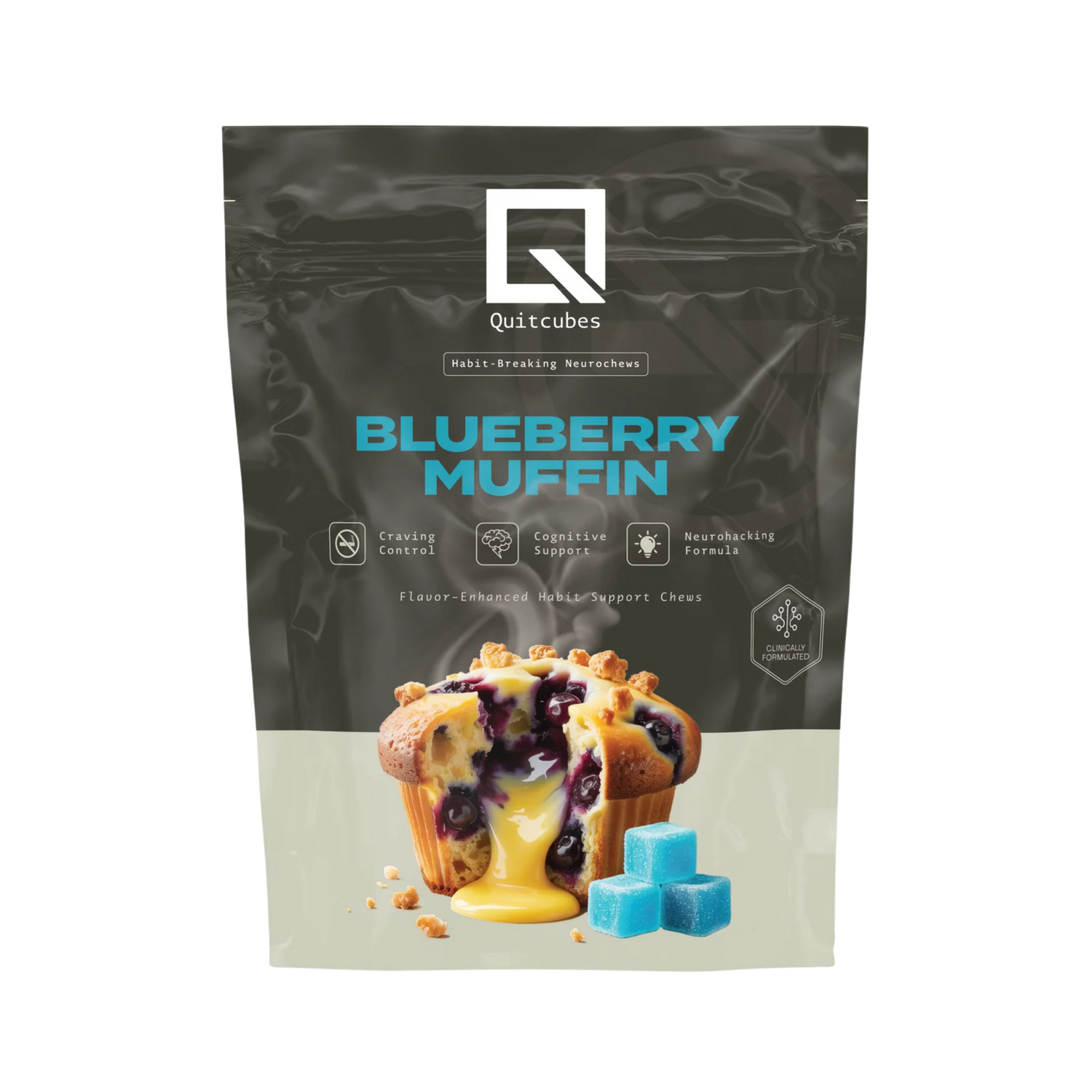
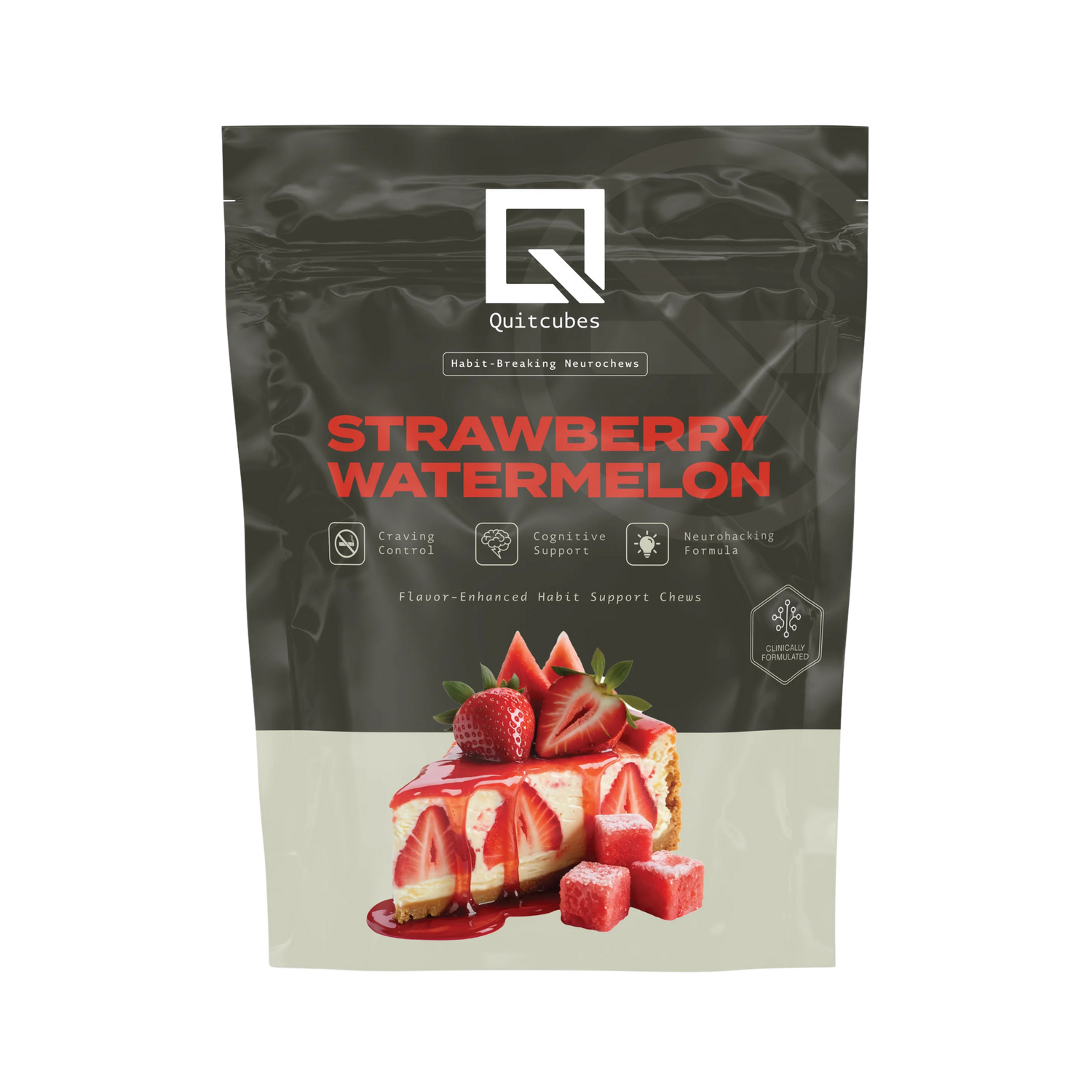
Quitcubes aren’t just functional, but they’re also enjoyable. Flavors like Blueberry Muffin and Strawberry Watermelon make it easy to integrate these gummies into your daily routine, helping you stay on track without feeling deprived.
By helping manage cravings and supporting consistency, Quitcubes may be a valuable tool for people looking for a better alternative to smoking or vaping. They’re designed to help bridge the gap between nicotine use and maintaining a fitness routine, making it easier to stay focused on your goals while reducing nicotine.
Tips to Maximize Fitness After Quitting Nicotine
Hit the ground running (literally) with these hacks to supercharge your post-quit fitness journey:
- Prioritize Hydration: Nicotine is a diuretic, meaning it dehydrates your body. Drink plenty of water, especially before and after workouts, to help flush toxins and improve endurance.
- Start Aerobic, Build Endurance: Aim for 30–60 minutes of walking, cycling, or swimming daily. A Patients Engage review shows this hikes lung capacity 20–30%, directly countering nicotine's drag.
- Track Progress: Your 5K time could shave minutes in weeks. You should celebrate all the wins in your nicotine-free journey, no matter the size. Tracking enables you to look back and see the drastic progress made.
- Incorporate Strength Training: Twice-weekly resistance work (such as squats or planks) rebuilds muscle lost to vasoconstriction. PMC data links it to 15% VO2 max gains in ex-users.
- Fuel Your Body with Whole Foods: Choose nutrient-dense foods like fruits, vegetables, lean proteins, and whole grains. Avoid excess sugar and processed foods, and your body will recover faster with clean fuel.
- Get Enough Sleep: 7–9 hours a night after quitting helps REM rebound, enhances repair.
Reduce Nicotine with Quitcubes Today
Reducing or quitting nicotine may help you stay consistent with your workouts and manage cravings, supporting your efforts to remain active. While everyone’s experience is different, some people notice improvements in stamina, focus, and consistency over time.
Quitcubes are a fruit-flavored, better alternative to smoking or vaping that can be used as a tool to help manage cravings and support your transition away from nicotine. Consider trying a Quitcubes starter pack today to explore a flavorful, convenient way to support your goals while working toward reducing or quitting nicotine use.
Try Quitcubes Today
Quitcubes offer a better alternative to smoking and vaping. Break free from nicotine with a plant-powered alternative designed to try to help make the transition away from smoking or vaping easier.