How to Manage Nicotine Cravings
Quitting smoking, vaping, or nicotine pouches is one of the most empowering decisions you can make for your health, but let's be real: nicotine cravings are often the biggest roadblock. Those intense urges can feel overwhelming, like your brain is screaming for just one more hit to make everything "normal" again. The good news? They're temporary. Understanding how long nicotine cravings last and arming yourself with new strategies can turn the tide, making your quit journey not just survivable but sustainable.
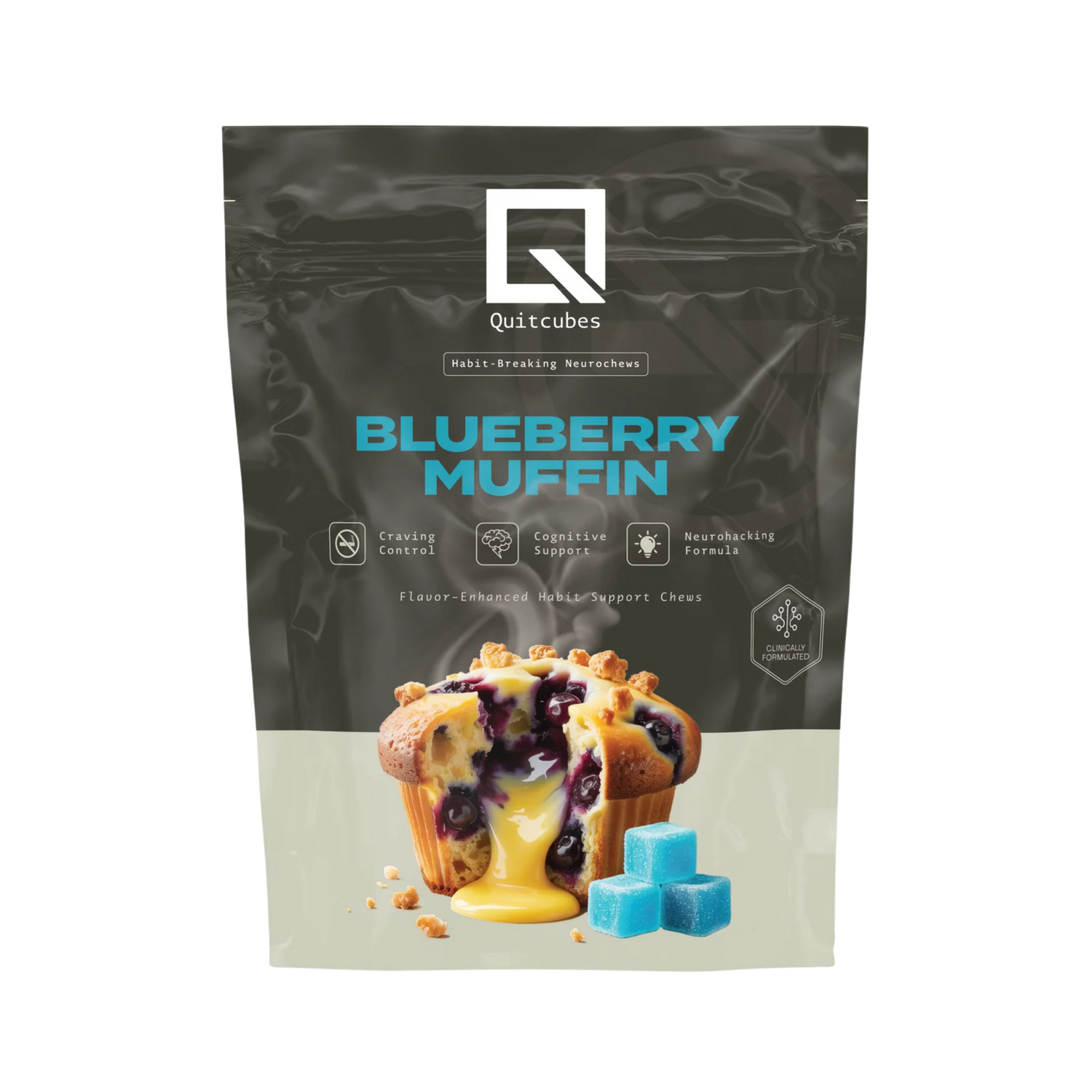
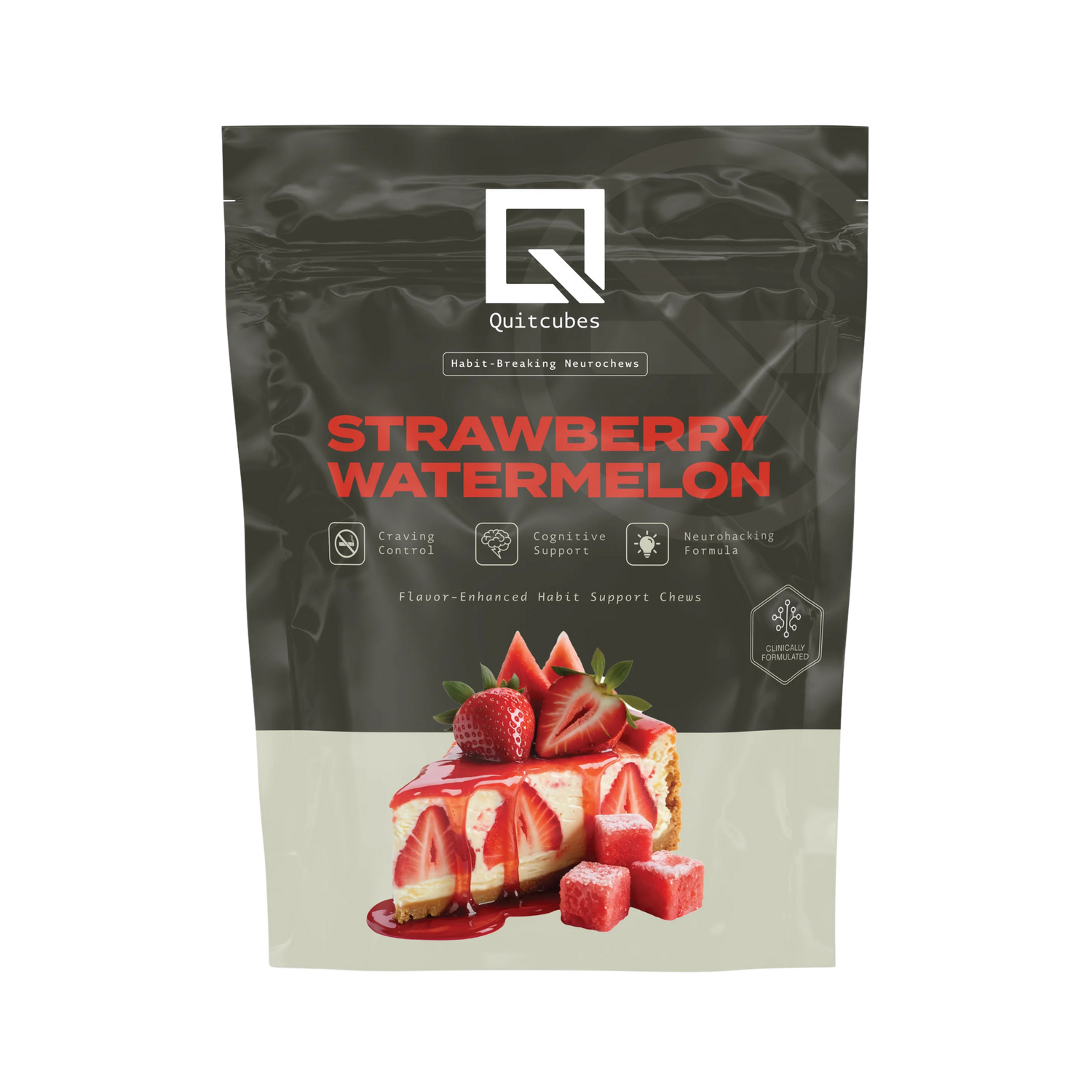
At Quitcubes, we aim to support your quit journey with a fruit-based, nicotine-free alternative. Each chewable cube is designed to help manage cravings, provide oral satisfaction, and support routines that may make it easier to handle urges. Naturally flavored varieties like Blueberry Muffin and Strawberry Watermelon can turn these moments into a small, enjoyable ritual.
How Long Do Nicotine Cravings Last?
Nicotine is a sneaky stimulant that hijacks your brain's reward system, flooding it with dopamine every time you light up, puff on a vape, or pop a pouch. When you quit, your body rebels with withdrawal symptoms, and cravings are the ringleader. These cravings come in intense waves of “I need it now” that can strike without warning, making the first days feel especially challenging.
But knowledge is power. According to experts, cravings typically peak early and fade over time, though their duration depends on your usage history. Heavy smokers and vapers might experience stronger or longer cravings than light or occasional users. Here’s a realistic nicotine withdrawal timeline, based on expert insights and clinical data from trusted sources like the Cleveland Clinic, Healthline, and the National Cancer Institute:
Phase 1: Acute Withdrawal (First 24–72 Hours)
Nicotine clears from your system quickly, but your brain notices the loss almost immediately. During this stage, you may experience headaches, irritability, anxiety, restlessness, and insomnia. Cravings hit hard, often every 30–60 minutes, and last 5-20 minutes each. This is the most physically demanding phase of withdrawal.
Phase 2: Peak Struggle (Days 3–7)
During the first week, withdrawal symptoms reach their most intense point. Craving intensity is at its highest around day three, when nicotine levels have entirely dropped to zero. Fatigue, hunger pangs, mood swings, and brain fog are common. For vapers, throat irritation or coughing may worsen discomfort as your airways begin to heal.
Cravings during this phase can feel relentless, but they gradually become less frequent. This is also when most relapses occur; research shows that around 70% of quit attempts fail during the first week. Staying vigilant and having a plan for cravings is crucial to quitting for good.
Phase 3: Easing Up (Weeks 2–4)
By the second or third week, the most difficult physical symptoms begin to fade. Your metabolism adjusts, and your sleep and appetite start returning to normal. Cravings occur less frequently, maybe every few hours, and usually last under 10 minutes.
This phase marks a turning point: your energy returns, but emotional triggers like stress, boredom, or social situations can still spark sudden cravings. It’s essential to stay mindful and continue using your coping tools, even as your body feels stronger.
Phase 4: Habit Rewiring (Months 1–3)
Over the next few months, your brain chemistry begins to stabilize. Dopamine pathways, which were once dependent on nicotine, start functioning naturally again. Cravings at this stage are less about physical need and more about habit or memory, those moments when your brain says, “This is when I usually smoke.”
These are often tied to daily rituals, such as finishing a meal, having coffee, or taking a break. Sleep quality improves, mood stabilizes, and focus becomes clearer as your brain continues to heal. This is the stage where proper long-term recovery begins.
Phase 5: Long-Term Freedom (3+ Months)
By the three-month mark, most people experience only mild, occasional cravings, often during moments of stress or when exposed to potent triggers. These urges are typically brief and weak. At this stage, you’ve not only overcome the physical dependency but have also built mental and emotional resilience.
Differences by Nicotine Type
Craving duration can vary depending on your preferred form of nicotine. For pouch users, the oral fixation can linger for up to four weeks even after physical withdrawal ends. Vapers, on the other hand, may experience quicker physical relief but often face stronger psychological cravings tied to routine and behavior.
The Nonlinear Journey of Quitting
It’s important to remember that these phases aren’t perfectly linear. Stress, emotional triggers, or unexpected life events can temporarily bring cravings back, even weeks after they’ve faded. That’s normal, and each time you resist the urge, you strengthen your “quit muscles.”
Almost all users who quit nicotine after long-term use face withdrawal symptoms, but those who push through typically see cravings subside within two to four weeks on average. Tracking your progress can help; for example, jotting down “Day 5: Only three cravings!” can be incredibly motivating and reinforce how far you’ve come.
Proven Strategies to Beat Nicotine Cravings
The key to beating nicotine cravings? Treat them like waves: They build, crest, and crash. It is important to remember you don't fight head-on. You can ride them out with tools that distract, soothe, and rewire. Backed by the National Cancer Institute (NCI) and Mayo Clinic, these techniques can slash craving intensity by up to 50%.
1. The 5 Ds: Your Quick-Fire Defense
Monica Hanna, a tobacco recovery expert, swears by the 5 Ds technique for instant relief, perfect for those 5–20-minute surges.
- Delay: Wait it out. Set a 10-minute timer; cravings peak and pass like a summer storm.
- Distract: Do anything non-smoking: Chew a Quitcube, doodle, or play a mobile game. Are your hands and mouth busy? Brain resets.
- Deep Breathe: Inhale for four counts, hold 4, exhale 4. This activates your parasympathetic system, cutting anxiety by 30% in studies.
- Drink Water: Hydration flushes toxins and mimics the hand-to-mouth ritual. Add lemon for a zing that rivals a vape puff.
- Discuss: Text a quit buddy or call a hotline (like 1-800-QUIT-NOW). Social support doubles success rates.
2. Lifestyle Hacks for Long-Term Wins
Cravings thrive on triggers, so redesign your world:
- Exercise Burst: A 10-minute walk releases endorphins, mimicking nicotine's high. Research shows it reduces urges by 25% immediately.
- Mindfulness & Relaxation: Guided meditations, deep breathing exercises, or simple relaxation rituals, such as warm baths, can help ease tension and reduce cravings. Practicing mindfulness keeps you grounded and helps your body relax as it adjusts to a nicotine-free routine.
- Trigger-Proof Your Environment: Swap coffee (a common cue) for herbal tea; stock crunchy veggies like carrots or celery for oral fixation.
- Healthy Swaps: Spicy foods (chili peppers) trigger natural endorphins; oats stabilize blood sugar to prevent hunger-fueled urges.
When and How to Use Quitcubes as Your Go-To Cessation Aid
Timing is everything with cravings. Quitcubes is not just a distraction, but can be used as an ally that may help manage nicotine cravings. Unlike NRT (patches, gums), Quitcubes are fully nicotine-free, focusing on root causes like stress and habit loops.
When to use Quitcubes:
- Acute Hits (First Week): Keep Quitcubes handy for instant oral satisfaction. The chewy texture mimics vaping/pouching, while fruit flavors (no artificial junk) deliver a mood lift. Pair with deep breathing for double impact.
- Trigger Moments (Weeks 2–4): Post-meal or stress spikes? A Strawberry Watermelon cube may curb the ritual without excessive calories or crash. You can use it as your "pause button" during habit rewiring.
- Maintenance (Month 1+): As cravings fade, use as a reward, Blueberry Muffin after a workout.
They are meant as a supportive aid to help you manage the habitual and psychological aspects of quitting nicotine, while you explore additional strategies that work for you.
Try Quitcubes Today
Quitcubes offer a better alternative to smoking and vaping. Break free from nicotine with a plant-powered alternative designed to try to help make the transition away from smoking or vaping easier.