Health Risks of Smoking vs. Vaping
If you’re trying to decide between smoking and vaping, or considering quitting altogether, understanding the health risks of smoking vs. vaping is an important step. Many people turn to vaping believing it’s a “safer” optionthan traditional cigarettes. While the two are different, neither is risk-free. If your goal is long-term wellness and freedom from nicotine, the conversation shouldn’t just be about which is worse; it should be about whether you need either at all.
Let’s break it down clearly and honestly.
The Health Risks of Smoking
Traditional cigarette smoking has been studied for decades. The evidence is overwhelming: smoking harms nearly every organ in the body. When tobacco burns, it releases thousands of chemicals, many of which are toxic and known to cause disease.
Cigarette smoke contains tar, carbon monoxide, and dozens of known carcinogens. These substances contribute to lung damage, heart disease, stroke, and multiple forms of cancer. According to major health authorities like the Centers for Disease Control and Prevention and the World Health Organization, smoking remains one of the leading causes of preventable death worldwide.
Long-term smoking is associated with conditions such as chronic obstructive pulmonary disease (COPD), lung cancer, throat cancer, and cardiovascular disease. It also impacts circulation, immune function, oral health, and skin aging. Even occasional smoking carries measurable risks. The combustion process, the act of burning tobacco, is what makes traditional cigarettes especially dangerous. The smoke itself is the primary source of many toxins.
The Health Risks of Vaping
Vaping devices, often referred to as e-cigarettes, heat a liquid instead of burning tobacco. This liquid typically contains nicotine, flavorings, and other chemical compounds. Because there is no combustion, vaping generally exposes users to fewer toxic chemicals than smoking traditional cigarettes. However, “fewer” does not mean “safe.”
Organizations such as the American Lung Association have raised concerns about the long-term effects of inhaling aerosolized chemicals found in vape products. While research is ongoing, studies suggest that vaping may still negatively affect lung health, heart health, and blood vessel function.
One significant issue is nicotine itself. Most vape products contain nicotine, which is highly addictive and can impact brain development in younger individuals. Nicotine also raises heart rate and blood pressure and reinforces dependency patterns that make quitting difficult.
In addition, certain flavoring chemicals used in vape liquids have been linked to lung irritation and inflammation. While vaping may reduce exposure to some harmful substances found in cigarette smoke, it introduces its own set of risks, many of which are still being studied.
Smoking vs. Vaping: Which Is Worse?
This is one of the most common questions people ask. From a purely chemical standpoint, traditional cigarette smoking is generally considered more harmful than vaping because of the toxic byproducts created through combustion. However, that does not make vaping harmless.
Both smoking and vaping expose the body to addictive nicotine in most cases. Both can affect cardiovascular health. Both can impact lung function. And both reinforce behavioral habits that are difficult to break.
For someone who has never smoked, starting to vape is not a “healthy alternative.” For someone who already smokes, switching to vaping may reduce certain exposures, but it often continues nicotine addiction rather than ending it. The real health upgrade comes from moving beyond both.
The Role of Nicotine in Ongoing Health Risks
Nicotine is often overshadowed by discussions about tar and smoke, but it plays a powerful role in sustaining addiction. While nicotine itself is not the primary cause of cancer in cigarettes, it keeps people hooked, making long-term exposure to harmful substances more likely. Nicotine affects the brain’s reward system by releasing dopamine, reinforcing repeated use. Over time, the brain adapts and begins to rely on nicotine to feel “normal.” This cycle makes quitting challenging and keeps users tied to smoking or vaping behaviors.
Even without combustion, continued nicotine use may contribute to increased heart strain, elevated blood pressure, and dependency that impacts mental and emotional well-being. Breaking free from nicotine entirely is often the most meaningful step toward reducing long-term health risk.
Behavioral Health and Habit Reinforcement
Beyond the chemical risks, both smoking and vaping strengthen behavioral patterns that can affect daily life. The hand-to-mouth motion, inhaling and exhaling, taking breaks specifically to use nicotine, these actions become embedded in routines.
Over time, these habits are tied to stress relief, focus, social connection, and emotional regulation. Even if someone switches from smoking to vaping, the ritual remains intact. The dependency simply shifts forms. Understanding this behavioral component is key. Reducing harm isn’t just about changing devices; it’s about changing patterns.
Why Eliminating Both May Be the Healthiest Choice
When comparing the health risks of smoking vs. vaping, it’s clear that avoiding combustion reduces exposure to many dangerous toxins. But continuing nicotine use through vaping still carries health concerns and sustains addiction. The healthiest path forward is eliminating both smoking and vaping altogether.
Choosing a nicotine-free alternative can help you step out of the cycle instead of rotating within it. By addressing both the chemical and habitual aspects of nicotine use, you give your body and brain space to recalibrate. Your lungs begin to recover. Your cardiovascular system benefits. Your risk profile decreases over time. And perhaps just as importantly, you regain control.
A Smarter Path Forward
If you’re weighing the health risks of smoking vs. vaping, it may be time to ask a different question: What would life look like without either? Reducing exposure is good. Eliminating dependency is better. There are modern, nicotine-free options designed to support the transition away from smoking and vaping while helping manage cravings and behavioral triggers. Choosing a plant-powered, non-nicotine alternative can allow you to work toward freedom without continuing the cycle.
You don’t have to settle for “less harmful.” You can aim for healthier.
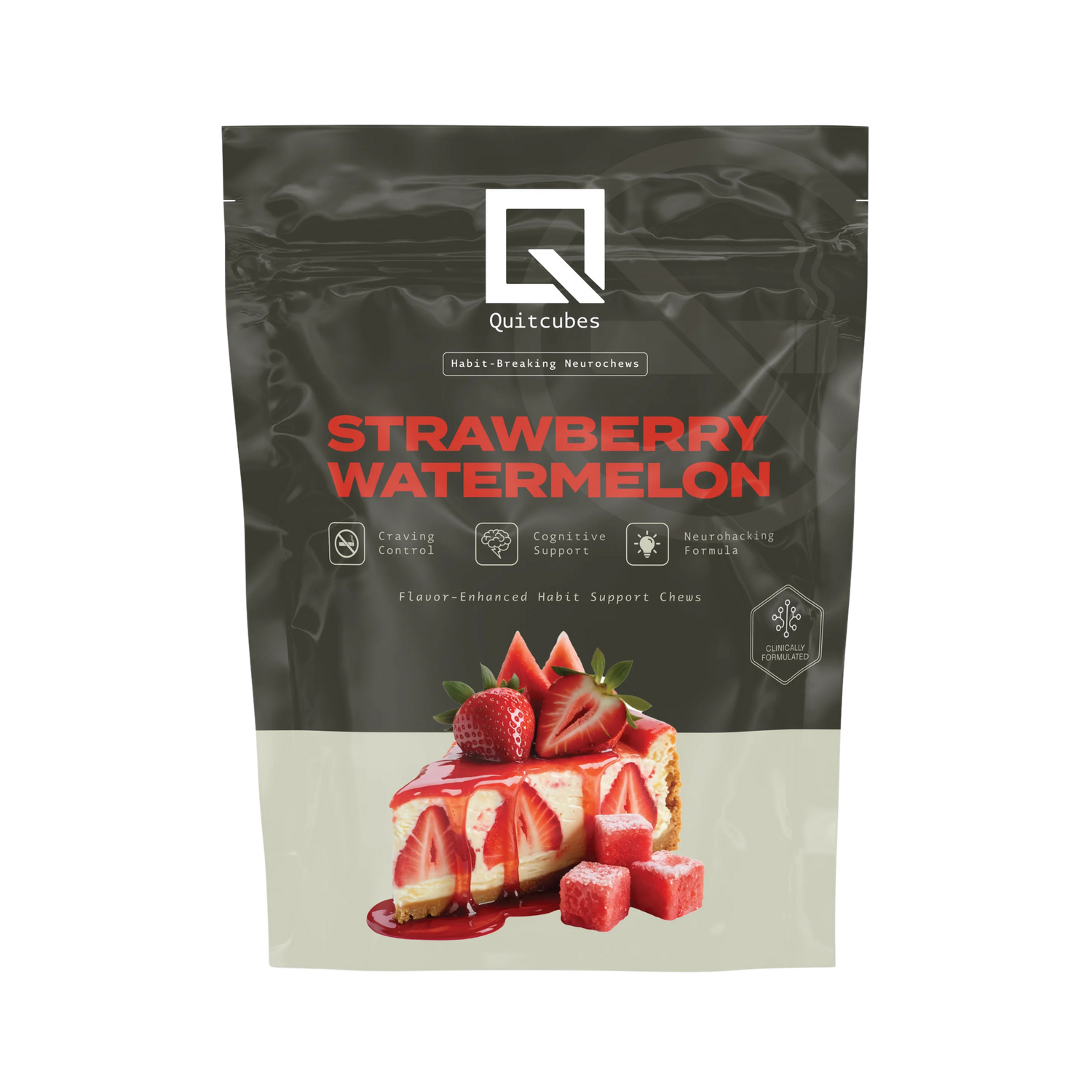
Understanding the health risks of smoking and vaping is empowering, but action creates change. If you’re ready to move beyond nicotine and take control of your health, now is the time to explore better options. Reach out to Quitcubes today to learn how a nicotine-free, plant-powered alternative can support your journey away from smoking and vaping. Your body, your mind, and your future will thank you.
Try Quitcubes Today
Quitcubes offer a better alternative to smoking and vaping. Break free from nicotine with a plant-powered alternative designed to try to help make the transition away from smoking or vaping easier.