What Does “Nicotine-Free” Actually Mean?
The term “nicotine-free” generally means that a product does not contain nicotine as an added ingredient. Nicotine is the addictive stimulant most commonly associated with tobacco products, cigarettes, and many vaping devices. When a product is labeled "nicotine-free," it is marketed as containing no intentional nicotine in its formulation.
However, understanding what nicotine-free actually means requires looking a little deeper. In regulated consumer products, nicotine-free typically indicates that nicotine is not included in the recipe and is not meant to deliver any pharmacological nicotine effect. Reputable manufacturers often verify this through laboratory testing to confirm the absence of measurable nicotine.
Nicotine-Free vs. Tobacco-Free
One common point of confusion is the difference between “nicotine-free” and “tobacco-free.” A product can be tobacco-free but still contain synthetic or extracted nicotine. Conversely, a nicotine-free product contains no nicotine regardless of whether it includes tobacco-derived ingredients (though most nicotine-free alternatives also avoid tobacco entirely).
Understanding this distinction is important for consumers who are specifically trying to eliminate nicotine from their routines. Simply choosing tobacco-free does not always guarantee that nicotine is absent. Reading ingredient labels and reviewing product descriptions can help clarify what is actually included.
Trace Amounts and Testing Standards
In some industries, particularly vaping and supplement manufacturing, trace amounts of substances can appear due to cross-contamination during production. High-quality nicotine-free products are typically produced in facilities that follow strict quality control measures to prevent contamination.
When brands state that their product is nicotine-free, they generally mean that nicotine is not intentionally added and that testing confirms it is not present at detectable levels. Third-party lab testing is often used to validate these claims. Consumers seeking reassurance can look for companies that publish or provide access to lab reports.
Why Nicotine-Free Matters
For many individuals, choosing nicotine-free products is about breaking dependence. Nicotine stimulates the release of dopamine in the brain, reinforcing repeated use and making cessation challenging. Eliminatingnicotine removes the chemical reinforcement component, allowing users to focus on addressing behavioral habits instead.
Nicotine-free options may appeal to people who want to fully step away from stimulant use rather than gradually taper down. They can also be attractive to individuals who are concerned about the long-term cardiovascular and neurological effects associated with nicotine exposure.
Behavioral vs. Chemical Replacement
Nicotine-free alternatives often focus on behavioral replacement rather than chemical substitution. Smoking and vaping are not solely about nicotine intake; they also involve routines, oral fixation, hand-to-mouth motion, and stress-related rituals. Nicotine-free products aim to satisfy those behavioral elements without continuing the addictive cycle.
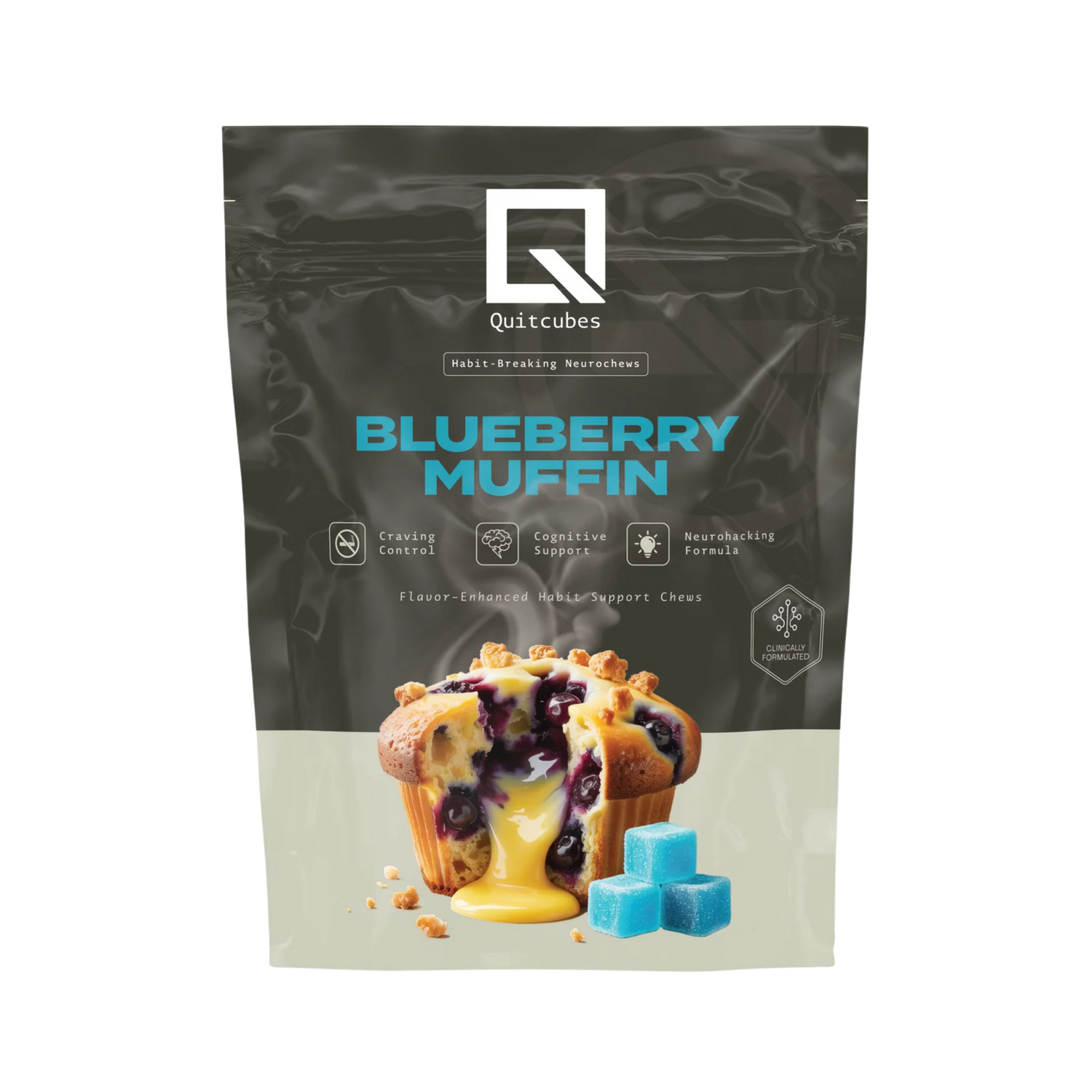
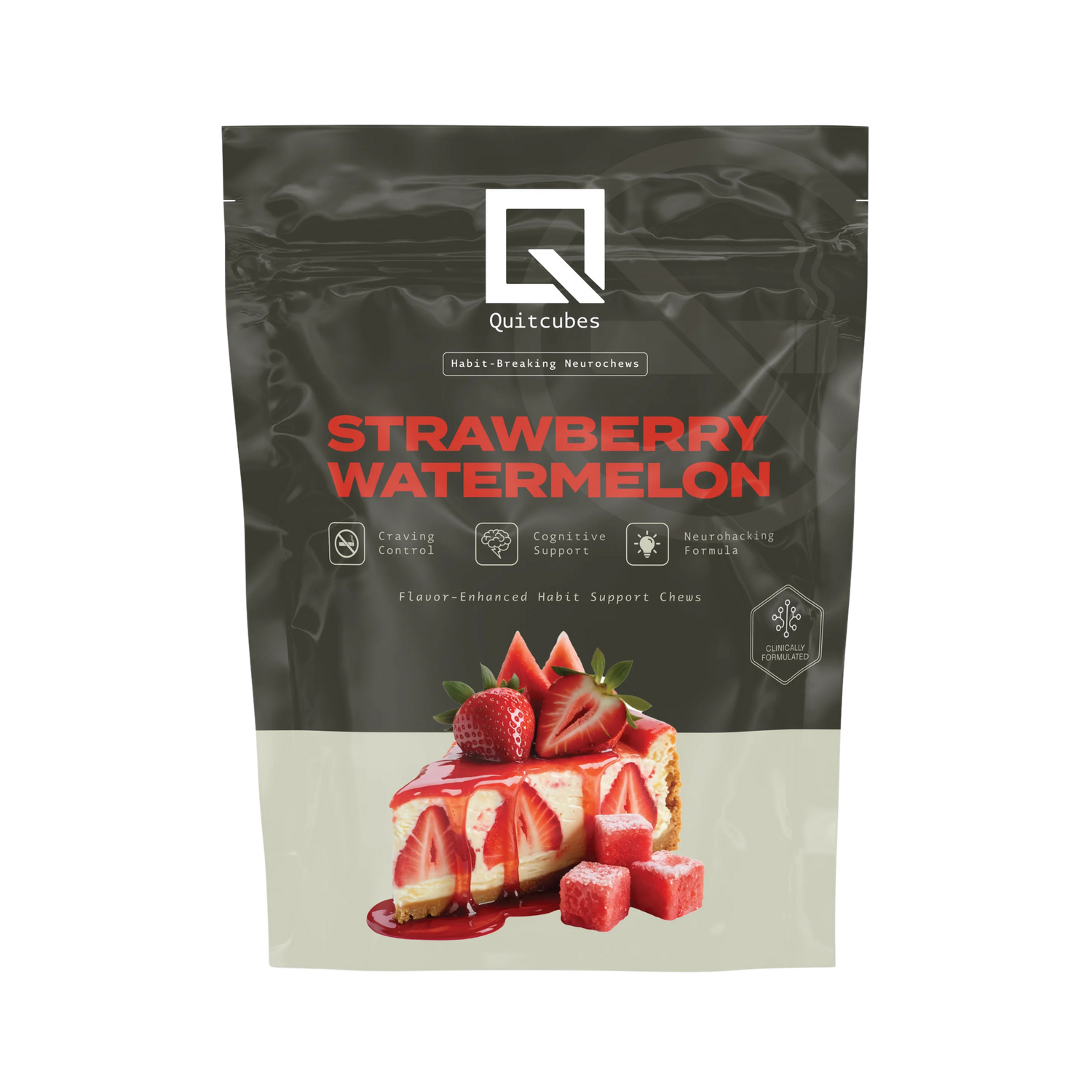
For example, chewable or flavored alternatives may help replace the habit of reaching for a cigarette or vape device. By removing nicotine from the equation, these products support the process of rewiring habitual responses over time.
Marketing Claims and Consumer Awareness
As the market for alternatives grows, so does the importance of informed decision-making. Not all products labeled nicotine-free are created equal. Consumers should look for transparent ingredient lists, clear labeling, and credible manufacturing standards.
It is also important to understand that nicotine-free does not automatically mean risk-free. While removing nicotine eliminates one major addictive component, overall product safety still depends on ingredient quality, formulation, and responsible use. Reading labels and understanding how a product fits into personal health goals remains essential.
The Bigger Picture
Ultimately, “nicotine-free” means that a product is formulated without nicotine and is not intended to deliver its addictive effects. For consumers seeking to break away from nicotine dependence, this distinction is significant. It represents a step toward separating long-standing habits from the chemical reinforcement that sustains them.
As awareness grows and product transparency improves, understanding what nicotine-free actually means empowers individuals to make more informed choices. Whether used as a transition tool or a long-term alternative, nicotine-free products offer an option for those looking to move forward without nicotine in their daily routine.
Try Quitcubes Today
Quitcubes offer a better alternative to smoking and vaping. Break free from nicotine with a plant-powered alternative designed to try to help make the transition away from smoking or vaping easier.