What is a good alternative to nicotine?
Before choosing a good alternative to nicotine, it’s important to understand what nicotine actually provides. Nicotine is a stimulant that triggers dopamine release in the brain, creating short-term feelings of focus, alertness, and stress relief. Over time, the brain becomes dependent on these repeated dopamine spikes, making it difficult to stop.
However, nicotine use is rarely just about chemistry. It also involves routines, stress management habits, oral fixation, and social behaviors. A truly effective alternative addresses both the chemical stimulation and the behavioral patterns tied to nicotine use.
Nicotine-Free Behavioral Substitutes
For many people, a strong alternative to nicotine is one that removes the addictive substance entirely while still satisfying habitual urges. Nicotine-free chewable products, flavored oral substitutes, or structured break-time routines can help disrupt the cycle without reinforcing dependency.
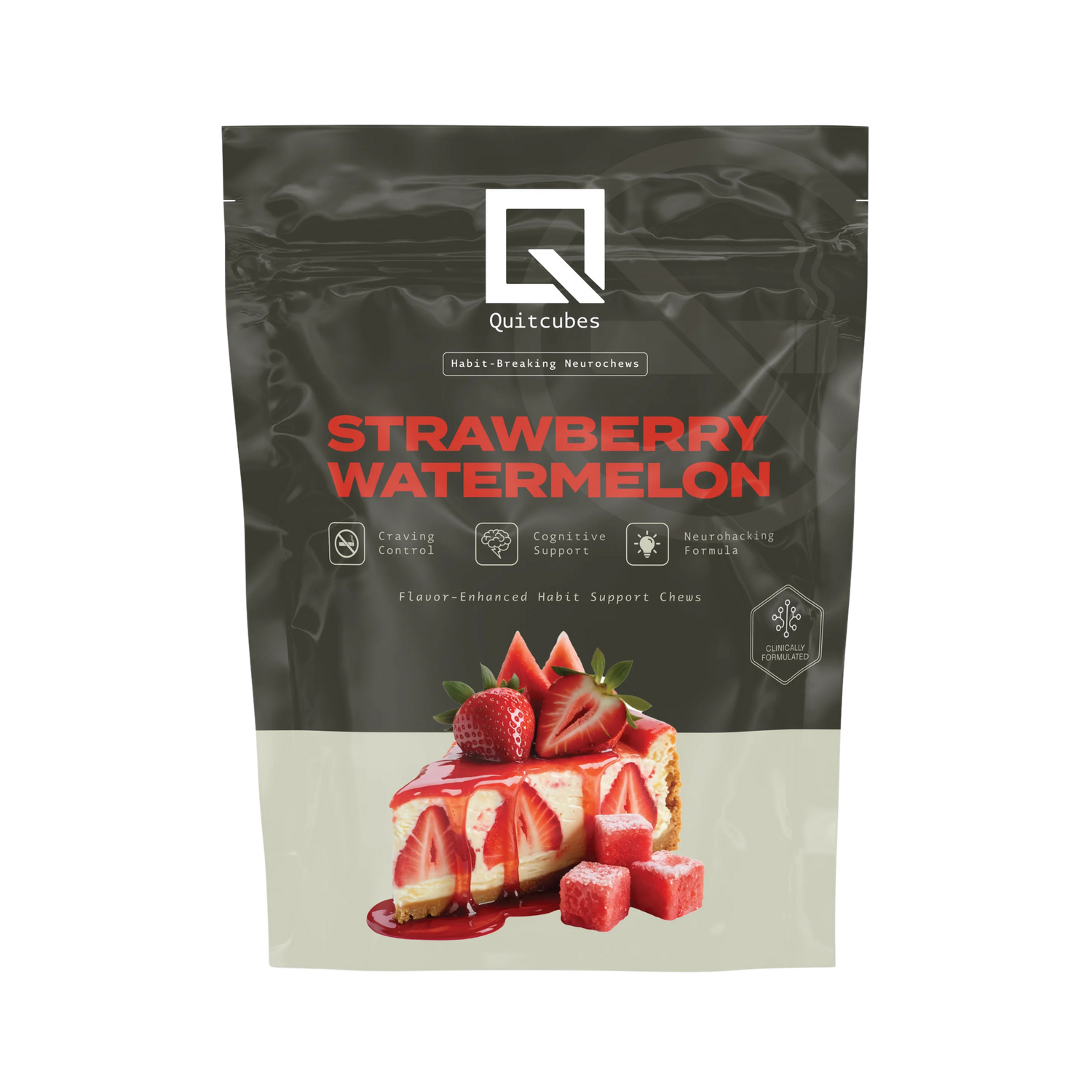
For example, products like QuitCubes are designed to support individuals who want to move away from nicotine altogether. Rather than delivering a stimulant, they provide a chewable option that helps replace the ritual of reaching for a cigarette or vape. This can be especially helpful for managing oral fixation and break-time triggers. By removing nicotine from the equation, the focus shifts toward retraining habits instead of maintainingchemical reliance.
Natural Stress-Relief Alternatives
Because many people use nicotine to cope with stress or anxiety, replacing it with healthier stress-management tools can be highly effective. Deep breathing exercises, short walks, stretching, journaling, or mindfulness practices can help regulate mood without introducing addictive substances.
Regular physical activity is particularly powerful. Exercise naturally increases dopamine and endorphin levels, which can reduce cravings and improve overall well-being. Even brief bursts of movement during high-risk moments can interrupt the urge cycle. Herbal teas, sugar-free gum, or flavored toothpicks may also serve as simple oral substitutes during stressful situations.
Caffeine and Other Stimulants: A Cautious Approach
Some individuals attempt to replace nicotine with caffeine or other stimulants to maintain focus and alertness. While moderate caffeine use may help with temporary energy dips, it does not address the behavioral component of nicotine dependence and can sometimes increase anxiety or restlessness. Relying heavily on another stimulant may simply shift dependence rather than resolve it. For this reason, alternatives that promote balance rather than stimulation often produce more sustainable long-term results.
Structured Habit Replacement
Nicotine habits are often tied to predictable daily cues, such as morning coffee, work breaks, driving, or social events. A good alternative includes a plan for these specific triggers. Replacing a smoke break with a short walk, hydration routine, or chewable substitute can retrain the brain over time.
Consistency is key. When a new behavior is repeated in response to a familiar trigger, the brain gradually forms new neural pathways. Eventually, the old nicotine association weakens. Nicotine-free oral products can be particularly helpful during this transition phase, as they offer something tangible to reach for without continuing the addiction cycle.
Social and Environmental Support
A strong alternative to nicotine also includes support systems. Informing friends or family about your goals, joining support groups, or using digital tracking apps can reinforce accountability. Removing nicotine products from your environment reduces temptation and lowers the likelihood of relapse. In social settings where others smoke or vape, having a prepared alternative, such as a nicotine-free chewable option, can make it easier to participate without feeling deprived.
Ultimately, the best alternative to nicotine is one that supports long-term health and independence rather than temporary substitution. This may include a combination of behavioral tools, stress-management strategies, and nicotine-free products that help bridge the transition.
Over time, as withdrawal symptoms fade and habits change, reliance on substitutes often decreases naturally. The goal is not to replace one lifelong dependency with another, but to regain control over routines and coping mechanisms.
The Bottom Line
A good alternative to nicotine is one that addresses both the physical cravings and the behavioral patterns tied to use. Nicotine-free options like QuitCubes, combined with stress-management techniques and structured habit changes, can support the transition away from dependence. The most effective solution will vary from person to person. By focusing on breaking the chemical cycle, building healthier routines, and creating supportive environments, long-term freedom from nicotine becomes a realistic and achievable goal.
Try Quitcubes Today
Quitcubes offer a better alternative to smoking and vaping. Break free from nicotine with a plant-powered alternative designed to try to help make the transition away from smoking or vaping easier.