Debunking Common Misconceptions About Nicotine-Free Alternatives
In the vibrant and health-conscious city of Los Angeles, many myths surrounding smoking cessation continue to thrive, particularly concerning nicotine-free alternatives. As residents of the City of Angels seek ways to distance themselves from the long-term habits of smoking and vaping, a significant amount of misinformation has clouded the landscape. At Quitcubes, our mission is to clarify this misinformation and provide a functional, behavioral bridge for those ready for a change.
This article debunks misconceptions about nicotine-free options. You can make wise choices if you are aware of addiction, oral fixation, and useful compounds. Quitcubes are fruit-based, non-nicotine candies with a clean-label composition that are intended to fulfill oral fixation and make the switch from vaping and smoking easier.
Myth 1: Nicotine-Free Alternatives Are Completely Non-Addictive
Many in Los Angeles believe "nicotine-free" means non-addictive. Nicotine is the main addictive substance in tobacco and e-cigarettes, but it is not the only one that can cause dependence.
It is important to be transparent: Arecoline is an addictive substance. Quitcubes contain arecoline, a natural alkaloid found in the betel nut. Arecoline acts as a partial agonist on nicotinic acetylcholine receptors, which is why it can provide a familiar sensation during the quitting process. We do not assert that our product is non-addictive, even if we are working to assist people in quitting smoking and vaping.
A study that was published in ACS Chemical Neuroscience (PubMed ID 30004218) claims that arecoline and nicotine share several pharmacological mechanisms. This implies that even though you are cutting out the particular chemical "nicotine" from your daily routine, you are still using a potentially addictive substance. Quitcubes are a better option than vaping and smoking, which lets you stop inhaling toxins while controlling the physical restlessness of withdrawal, thus using them should be seen as a smart behavioral shift.
Myth 2: All Nicotine-Free Products Are Created Equal
Another prevalent myth is that all nicotine-free products are essentially the same. In reality, chemicals vary widely in purity and transparency. Many products marketed as "better alternatives" still contain synthetic dyes, artificial sweeteners, and chemical fillers that are incompatible with a conscious lifestyle.
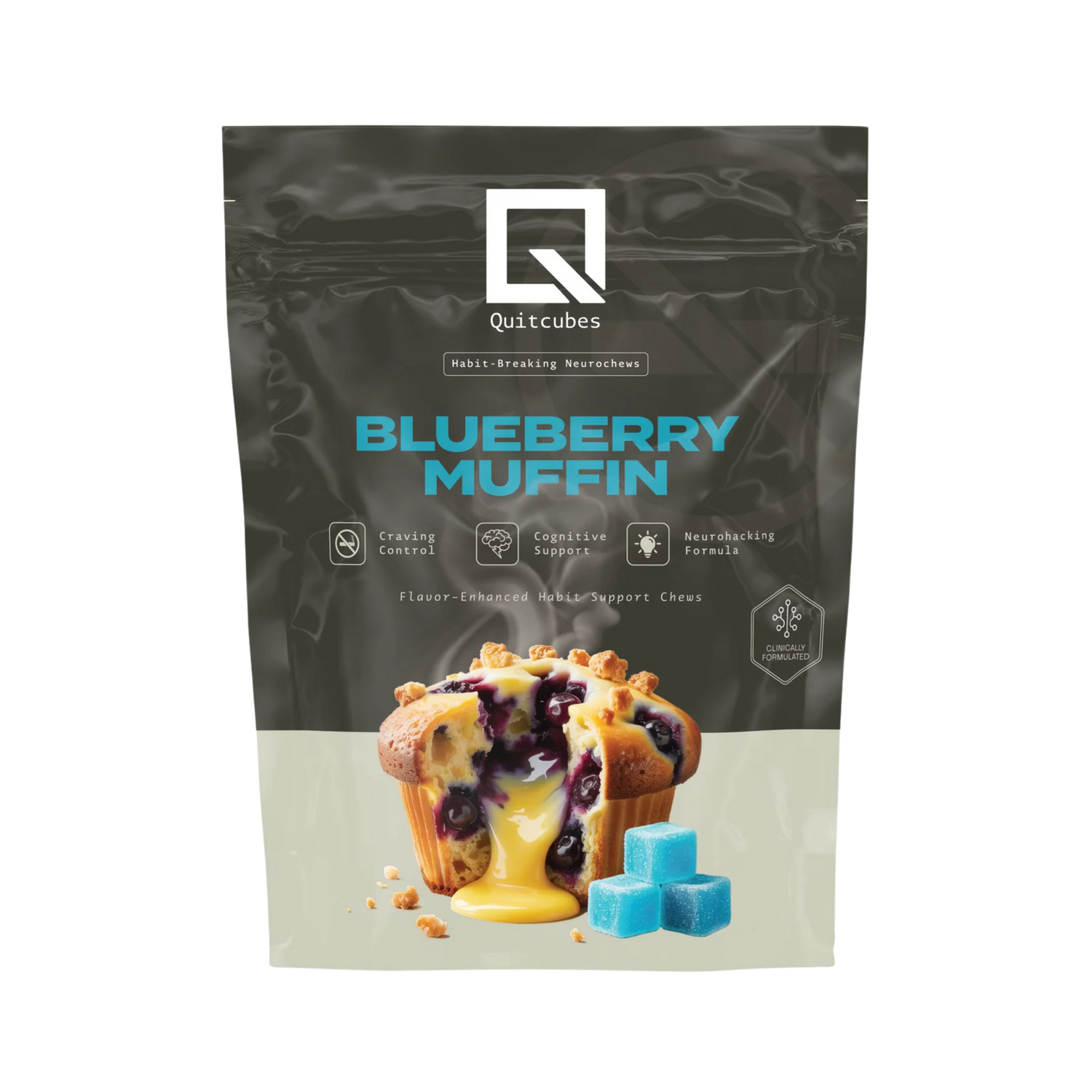
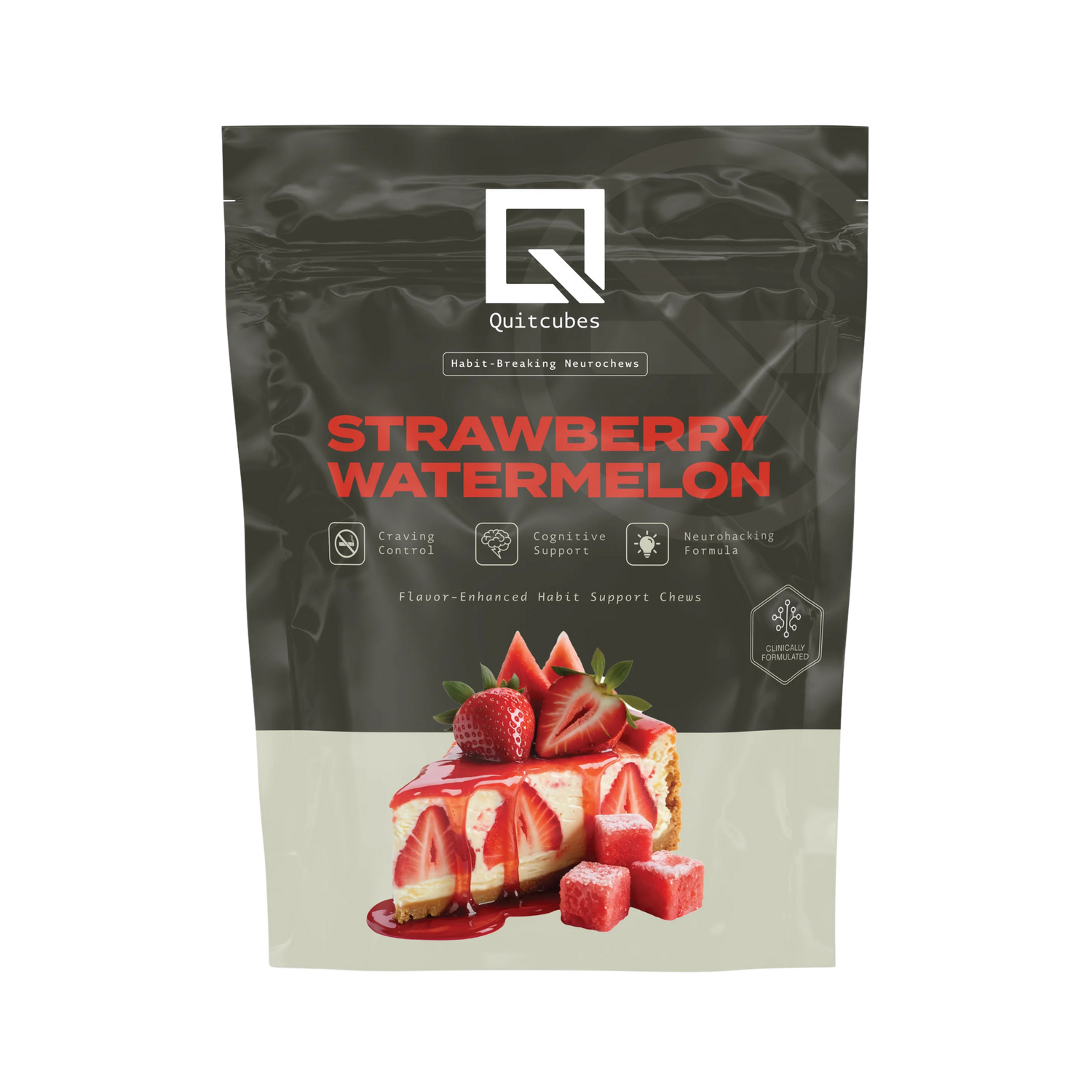
QuitCubes uses a clean-label system that avoids the chemicals used in vape or cigarette products, believing that your substitute should also offer the same level of cleanliness as what it replaces. Our gummies are naturally flavored and contain no artificial sweeteners or coloring. Whether buying Strawberry Watermelon or Blueberry Muffin, you can count on receiving a product of high quality.
You can rest assured that you are not merely switching one set of this type of uncertainty for another through purchasing from a trusted brand known for its transparent ingredients. This is very important in Los Angeles, where “clean label” is more than a phrase, but a way of living.
Myth 3: Herbal Smokes Are Just as Harmful as Tobacco
Some people believe that herbal smokes or non-nicotine vapes are equally as harmful as traditional tobacco cigarettes. While it is true that any form of inhalation carries risks, the primary danger in smoking and vaping often comes from the combustion of tobacco, the creation of tar, and the chemical additives in e-liquids.
However, the "Better Alternative" discussion must also consider the delivery method. Smoking any product: herbal or otherwise, involves the inhalation of carbon monoxide and particulates into the lungs. Quitcubes offer a significant advantage by eliminating the need for inhalation entirely. As a chewable gummy, Quitcubes deliver functional ingredients through the digestive system, avoiding the respiratory irritation and lung damage associated with smoking or vaping.
While we do not have scientific evidence to claim that Quitcubes are healthier than clinical nicotine replacement therapies (NRTs) like the patch or the gum, they are realistically a better alternative to vaping and smoking. By moving the ritual from the lungs to the mouth, you allow your respiratory system to begin its natural repair process.
Myth 4: Quitting Means Giving Up the Ritual Entirely
Many Los Angeles smokers and vapers worry that giving up will mean abandoning the cozy, comfortable routine they have developed over the years. The tactile experience, the "pause" during the day, and the hand-to-mouth action are frequently just as addictive as the nicotine itself. Oral fixation is the term for this.
A common belief is that in order to be successful at quitting, you must completely stop your habit at once. Recent research in behavioral therapy, however, has shown that substituting another behavior can often produce better results than simply trying to suppress the unwanted habit. One study published in the Journal of Behavioral Medicine showed that when people who are trying to quit or reduce their usage of a substance find alternative sensory rewards, the psychological pain of withdrawal is significantly reduced.
Using Quitcubes will allow people to enjoy the social/physical aspects of their normal routine, without putting themselves at risk for the adverse effects associated with inhaling nicotine. For example, the chewable nature of the Strawberry Watermelon cube allows the consumer to maintain an ongoing transition to being smoke-free by mimicking the oral component of using cigarettes. Additionally, Quitcubes will assist with coping in social settings, as well as with handling stressors that cause a person to reach for a cigarette due to the oral fixation.
How Quitcubes Try to Help Manage the "Quit Stress"
The journey to leave nicotine behind is often characterized by a spike in stress and irritability. This "quit stress" is a physiological response to the absence of a stimulant to which the brain has become accustomed.
Quitcubes are made with a clean-label formula of functional ingredients that try to help manage and reduce stress. Instead of a chemical spike, the focus is on a soothing sensory experience. The bold, natural flavor of Blueberry Muffin can act as a "circuit breaker" for a craving. When your brain is screaming for a reward, providing it with a delicious, fruit-based gummy can help the urge peak pass more smoothly.
Furthermore, because Quitcubes are portable and discreet, they provide a sense of security. Knowing that you have a tool in your pocket to handle a sudden trigger can significantly lower your baseline anxiety during the first few weeks of your journey.
The Neuroscience of Rewiring Your Habits
To debunk the myth that quitting is "all in your head," we must look at the brain's basal ganglia: the area responsible for habit formation. When you smoke or vape, you create a neural pathway that links a trigger (like stress or a cup of coffee) to the action of nicotine consumption.
To rewire this habit, you need to forge a new pathway. Every time you reach for a Quitcube instead of a vape, you are strengthening a new, nicotine-free neural connection. Over time, the old pathway begins to weaken through a process called long-term depression (LTD) in the brain.
While we must reiterate that Arecoline is an addictive substance, it serves as a functional bridge during this rewiring phase. It provides enough of a sensory and chemical "nudge" to keep you from returning to the more harmful habit of smoking or vaping. Our goal is to help you eventually move beyond the need for any substitute, but we recognize that a better alternative is often necessary for the initial transition.
Why Los Angeles Is Embracing the Shift
Los Angeles is a city that values both aesthetics and efficacy. From the wellness studios of Venice to the high-pressure offices of Downtown, people are looking for solutions that fit a modern lifestyle.
Traditional NRTs like the patch or medicinal gum often feel clinical and unappealing. They remind the user that they are "sick" or "addicted." In contrast, Quitcubes feel like an enjoyable addition to a daily routine. They are:
- Discreet: No clouds of vapor or lingering smells.
- Flavorful: Naturally derived tastes that people actually look forward to.
- Portable: They fit into the busy, on-the-go lifestyle of an Angeleno.
Due to this shift in viewpoint from a "medical" approach to quitting to a "behavioral" and "lifestyle" model, quitcubes are growing in popularity. Giving people the authority to manage their rituals in a way that seems productive rather than punitive is the goal.
Making Informed Choices in the City of Angels
In Los Angeles, dispelling smoking misconceptions is essential to enabling individuals to make well-informed decisions regarding their health and well-being. Quitcubes and other nicotine-free substitutes deliver a satisfying experience without many of the risks connected to nicotine and conventional cigarettes.
Remember that you can keep the comfort of a routine without sacrificing your objectives, whether you are thinking about making the switch or are just interested in a better option than smoking and vaping. Keep in mind that Arecoline is addictive while concentrating on our formula's clean-label advantages. Together, let's end the spread of false information and choose a way of life guided by free will rather than pharmaceutical coercion.
Are you prepared to dispel the myths and take back your daily routine? Get Quitcubes now to discover a better option for your quest to live a nicotine-free life.
References & Sources
ACS Chemical Neuroscience (PubMed ID 30004218): "Arecoline: DARK Classics in Chemical Neuroscience." This study explores the addictive properties of arecoline and its interaction with nicotinic receptors. View Source
Journal of Behavioral Medicine: "The Role of Sensory Substitutes in Tobacco Cessation." Research on how oral fixation and tactile rewards facilitate habit modification.
National Library of Medicine (PubMed ID 7722172): "Pharmacological and behavioral effects of nicotine." A foundational look at why nicotine is the primary driver of tobacco addiction. View Source
World Health Organization (WHO): Reports on the toxins produced by the combustion of tobacco and the relative risks of non-combustible alternatives.
ScienceDaily: "Understanding the Habit Loop: How the Basal Ganglia Control Your Daily Routines."
Truth Initiative: "What is Arecoline? Understanding the ingredients in non-nicotine products." View Source
Try Quitcubes Today
Quitcubes offer a better alternative to smoking and vaping. Break free from nicotine with a plant-powered alternative designed to try to help make the transition away from smoking or vaping easier.