The Neuroscience of Nicotine Cravings Explained
Understanding the neurology behind nicotine deprivation is the first step for anyone attempting to quit using tobacco products, including cigarettes or e-cigarettes. People don’t have cravings simply because they lack willpower. Repeated nicotine exposure changes brain chemistry at a molecular level, leading to more complex patterns of behavior. Breaking free from these behaviors requires more than simply wanting to stop; it takes a plan of action that tackles the ingrained psychological and physical habits.
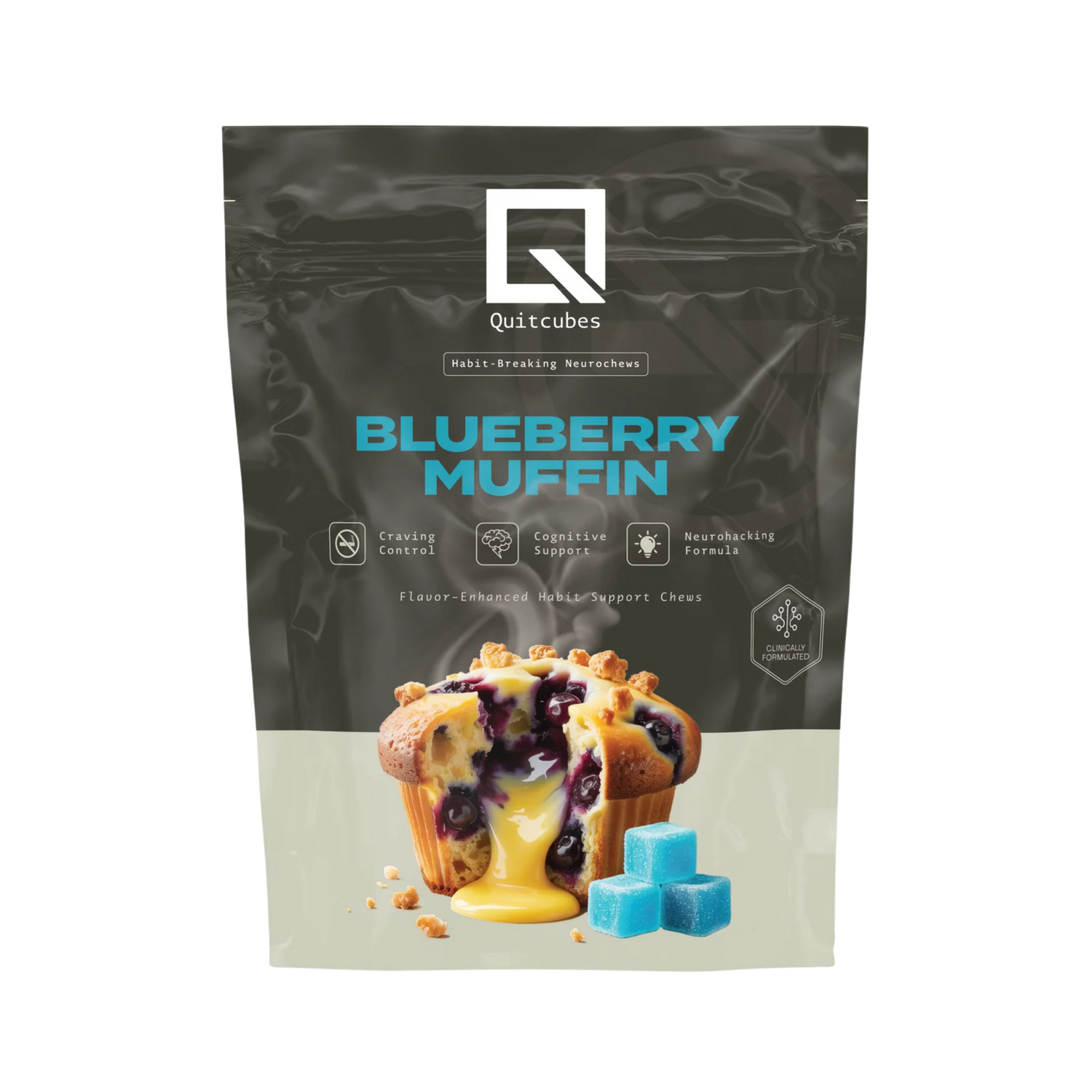
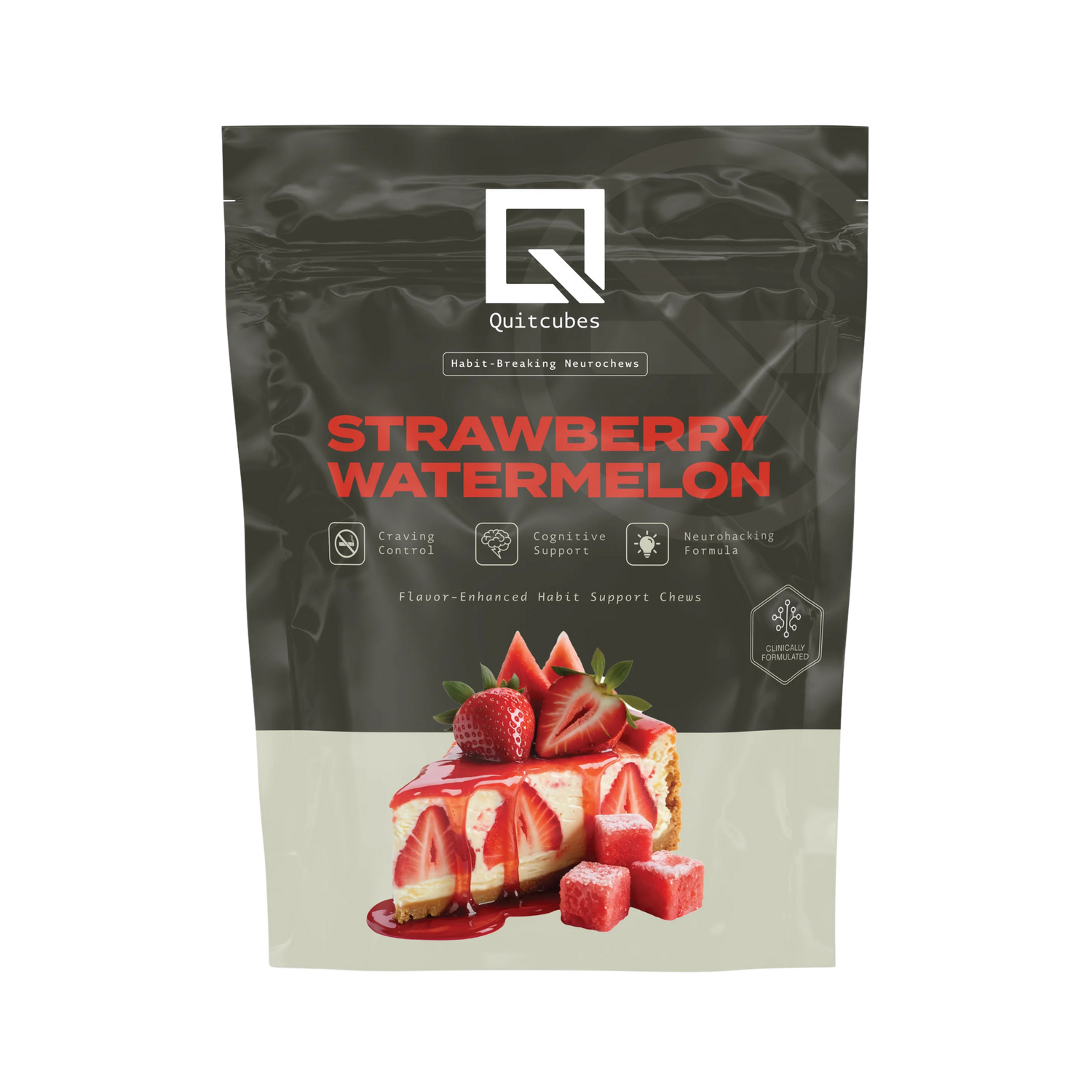
At Quitcubes in Los Angeles, our mission is to shed light on how these cravings function and offer support to help you navigate them. Quitcubes are non-nicotine, fruit-based gummies that were designed to be better alternatives to vaping and smoking. They are made with a clean-label formula of functional ingredients. Each chewable cube is crafted to satisfy oral fixation, help manage and reduce stress, and help rewire your habits, all without a single milligram of nicotine. Flavored naturally, with no artificial sweeteners or dyes, Quitcubes come in delicious varieties like Blueberry Muffin and Strawberry Watermelon, making them an enjoyable addition to your daily routine.
What Triggers Nicotine Cravings?
The way nicotine interacts with the delicate chemistry of the brain is the main cause of nicotine cravings. Nicotine quickly moves from your lungs into your bloodstream and into your brain when you smoke or vape. It only takes a few seconds to complete this process.
Nicotinic acetylcholine receptors (nAChRs) are special receptors in the brain that are found throughout the brain. When tested, nicotine was found to activate nAChRs in much the same way that acetylcholine does. Since nicotine "tricks" these nAChRs into being activated, it can cause large amounts of artificial chemical cascades to occur.
A plethora of other neurotransmitters, including glutamate, norepinephrine, and, above all, dopamine, are released by the brain as a result of this interaction. This quick spike results in pleasant emotions, increased awareness, and a momentary reduction in anxiety.
The brain’s survival system recognizes the action as beneficial and encourages it to be repeated because it feels rewarding. This is how the cycle of dependence begins.
The Importance of Dopamine in the Craving Loop
Dopamine plays a massive role in the neuroscience of nicotine cravings. Often called the "feel-good" neurotransmitter, dopamine is part of the brain's reward system. Its evolutionary purpose is to reinforce life-sustaining behaviors, such as eating and interacting socially. When you do something beneficial, dopamine is released, making you feel good and encouraging you to do it again.
Nicotine hijacks this natural system. By causing an unnatural spike in dopamine, it intensely reinforces the behaviors associated with nicotine use (like reaching for a vape or lighting a cigarette). Research published in Nature Reviews Neuroscience (Vol. 12, 2011) indicates that chronic exposure to nicotine actually alters the reward threshold of the brain. The brain grows accustomed to these artificial dopamine spikes, and over time, it reduces its own natural production of the chemical.
Your dopamine levels fall below their typical baseline when you try to stop. Low mood, excessive anxiety, and a sense of emptiness are the outcomes of this abrupt deficit. In order to restore the chemical equilibrium, your brain interprets this decline as a warning message and creates a strong craving for nicotine. To effectively manage your cravings, you must acknowledge that they are caused by a transient chemical imbalance.
Understanding Arecoline and Habitual Triggers
In exploring the science of cravings, it is important to understand the ingredients in your support tools. While Quitcubes are completely free of nicotine, they are formulated with arecoline.
Arecoline is an alkaloid found naturally in seeds and plants, which acts as a partial agonist at nicotinic receptors (the same type of receptor that nicotine acts upon). By binding to these receptors, arecoline may provide a mild sensory connection between the individual and the intense physical restlessness of the quitting experience. In addition, you should be aware that arecoline may also have addictive properties, since it works through the same pathway as nicotine.
Quitcubes are not designed to be a permanent lifestyle supplement or a general wellness product, and they are not a scientific equivalent to medical cessation tools like the patch or nicotine gum. Instead, they serve as a behavioral bridge and a better alternative to vaping and smoking. By using arecoline and functional ingredients in a clean-label gummy, Quitcubes aims to help you manage the physical habit loop without inhaling smoke or vapor.
How Quitcubes Help Manage Nicotine Cravings
At Quitcubes in Los Angeles, we provide innovative solutions designed to help individuals manage and reduce the intensity of nicotine cravings. Our approach focuses on the two biggest hurdles of quitting: oral fixation and stress.
Satisfying the Oral Fixation
For many smokers and vapers, the addiction is as much about the physical ritual as it is about the substance. The hand-to-mouth motion, the sensation of having something in the mouth, and the act of taking a "pause" in the day are all deeply ingrained behavioral habits. When you quit abruptly, the absence of this physical ritual can trigger massive anxiety.
Each chewable cube of Quitcubes is crafted specifically to satisfy this oral fixation. When you feel the physical urge to vape or smoke, taking a gummy gives your hands and mouth a task. This physical substitution helps "trick" the habit centers of your brain (the basal ganglia) into feeling that a routine has been completed, which may help calm the rising tide of a craving.
Functional Ingredients for Stress Management
Cravings are often triggered by stress. When life gets overwhelming, your brain seeks the familiar dopamine reward to calm down. Quitcubes are made with a clean-label formula of functional ingredients that try to help manage and reduce stress during these high-pressure moments.
Quitcubes provide a clean sensory experience by avoiding artificial sweets and dyes. Varieties like Strawberry Watermelon offer a quick sensory diversion with their strong, organic flavors. Strongly concentrating on the taste and texture of the gummy can serve as a circuit breaker, preventing a relapse during the worst of a craving.
Behavioral Techniques for Coping with Cravings
Quitcubes are an excellent sensory and physical substitute. The best method to get rid of nicotine cravings is usually to combine cognitive behavioral techniques with physical instruments. Here are some doable strategies to alter your perspective on cravings:
1. Identify Your Personal Triggers
Cravings occur outside the mole; they are triggered by external stimuli in the environment. There are a lot of things that will send you into a craving, driving your children around, having a cup of coffee, eating dinner, working at your job, and feeling overwhelmed, and so on. Keep track of when your cravings occur for three days so you can identify the triggers that may lead to them. With this information in hand, you can prepare your Blueberry Muffin QuitCube before the craving begins.
2. Practice Urge Surfing
Many people believe that a craving will continue to build in intensity until it becomes unbearable. In reality, cravings behave like ocean waves. They build up, reach a peak of intensity, and then naturally subside, usually lasting only about 5 to 10 minutes. "Urge surfing" is a mindfulness technique in which you do not fight the craving but instead mentally step back and watch it pass. Remind yourself that the feeling is temporary and will pass soon.
3. Implement the 4 D's
Use the traditional cognitive behavioral paradigm in the event of an unexpected trigger:
- Delay: Wait 10 minutes before acting on a craving. Often, you will find that the intensity of your craving subsides before the 10 minutes are up.
- Deep Breath: Take slow, deep breaths to physically lower your heart rate and combat withdrawal anxiety.
- Drink Water: Sip a cold glass of water to clear your palate and keep your hands occupied.
- Distract: Reach for a Quitcube and focus entirely on the taste, or engage in a quick physical task to shift your attention.
A Path to Recovery
In addition to revealing the complex and potent nature of chemical dependency, the neurobiology of nicotine cravings provides a deep sense of optimism. Cravings are merely your brain's adaptive response to the absence of a drug it has grown accustomed to; they are not a permanent condition. Your brain's capacity to generate a consistent supply of dopamine will return as time goes on without nicotine because your receptors will naturally reset.
It is completely feasible to overcome nicotine dependence with the appropriate tools and behavioral help. Quitcubes are a useful and entertaining supplement to your everyday routine that can help you get over the most difficult phases of the habit loop and are a better option than smoking and vaping.
Are you ready to take control of your habits and understand the science behind your journey? Let us assist you in taking that first step toward a more balanced routine.
Try Quitcubes today and find a better alternative for your daily routine.
References & Sources
Nature Reviews Neuroscience (Vol. 12, 2011): "Neurobiology of Nicotine Addiction: Implications for Smoking Cessation Treatment." This review details how chronic nicotine exposure alters the brain's reward pathways and baseline dopamine levels.
National Institute on Drug Abuse (NIDA): "How Does Nicotine Interact with the Brain?" Explores the binding of nicotine to acetylcholine receptors and the release of dopamine.
ACS Chemical Neuroscience (2018): "Arecoline: DARK Classics in Chemical Neuroscience." A comprehensive look at arecoline's pharmacological properties, receptor binding, and addictive nature.
Journal of Consulting and Clinical Psychology: Studies regarding the effectiveness of urge surfing and behavioral substitution in habit modification.
U.S. Surgeon General's Report: Insights into the timeline of brain recovery and the normalization of neurotransmitter receptors after smoking cessation.
Try Quitcubes Today
Quitcubes offer a better alternative to smoking and vaping. Break free from nicotine with a plant-powered alternative designed to try to help make the transition away from smoking or vaping easier.