The Science Behind Quitcubes: A Natural Way to Quit Nicotine
You are definitely not alone if you are having trouble quitting smoking. Being nicotine-free is a notoriously challenging path that is sometimes characterized as a taxing struggle between biology and willpower. Thankfully, Quitcubes provide a creative and useful substitute to help you make this difficult adjustment. Examining the psychology of habit and the science of addiction is essential to real success. By understanding why your brain craves nicotine, you can better equip yourself with the tools to rewrite those cravings for good.
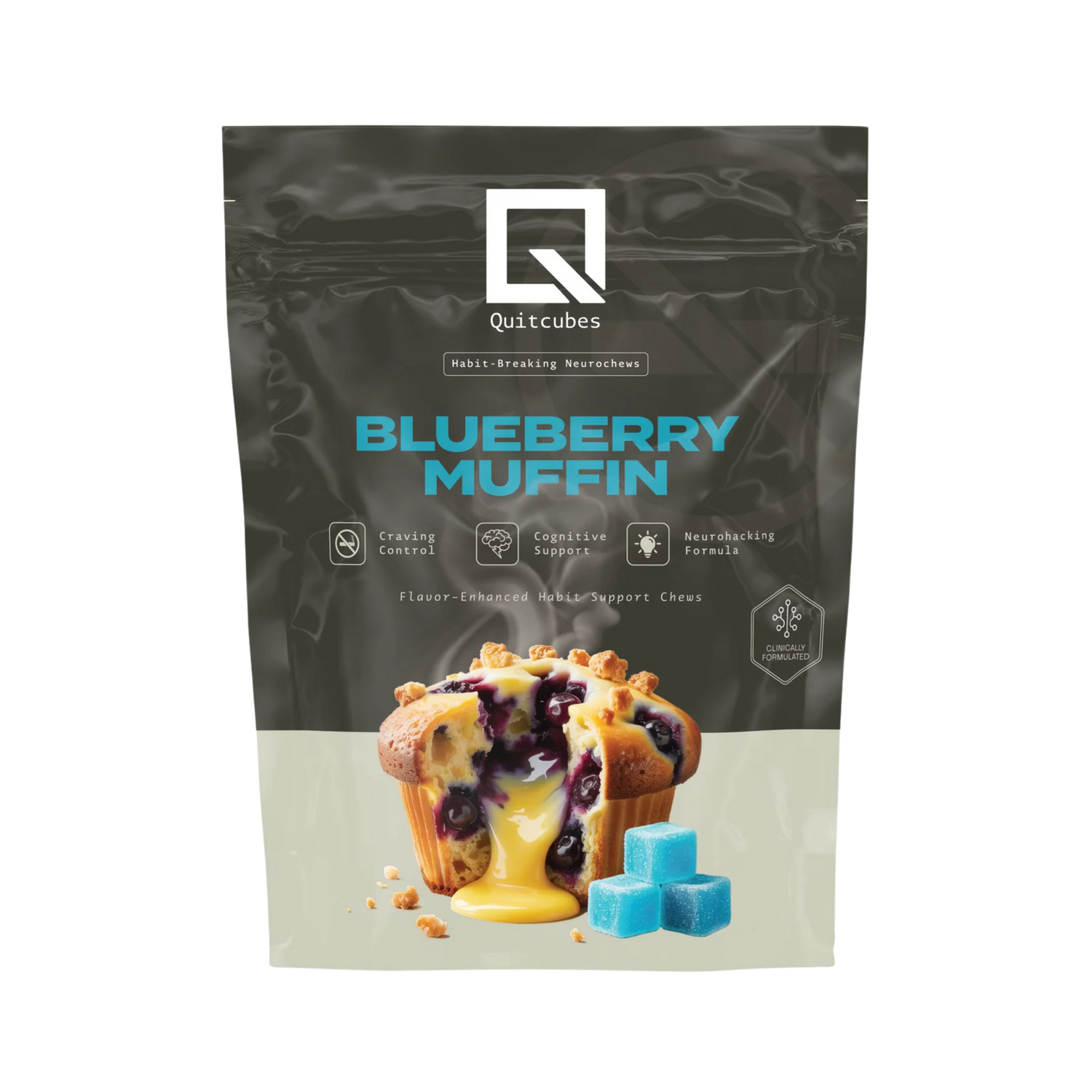
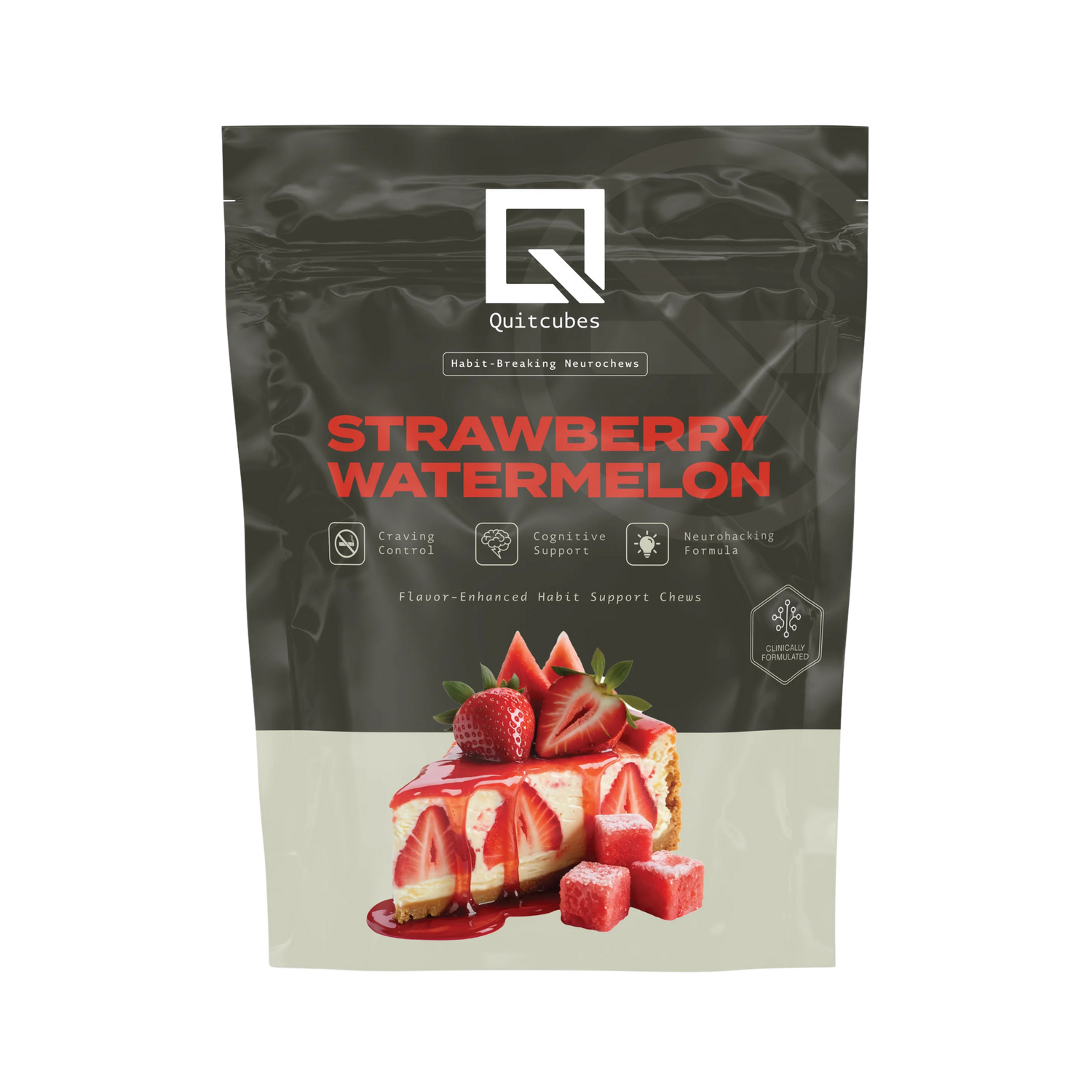
Quitcubes are not a medical cessation device or a pharmaceutical drug. Instead, they are specially formulated, non-nicotine, fruit-based gummies aimed at helping individuals who want to stop smoking or vaping. These tasty, chewable supplements blend a variety of functional ingredients designed to satisfy oral fixation and help manage the stress associated with moving away from nicotine. Whether you are reaching for Blueberry Muffin or Strawberry Watermelon, you are choosing a behavioral bridge designed for the modern quitter.
What Exactly Are Quitcubes?
Quitcubes represent a shift in how we think about habit modification. For decades, the primary way to quit was to use clinical patches or medicinal gums that simply replaced the delivery method of nicotine. While this helps some, it often fails to address the "ritual" of the habit. Quitcubes takes a different strategy by emphasizing the behavioral and sensory aspects of vaping and smoking.
These chewable gummies offer an active, portable support system. Each cube is made using a clean-label formula that emphasizes transparency and natural ingredients. Quitcubes easily fit into a health-conscious lifestyle in a city like Los Angeles, where ingredient quality and wellness are major concerns. They have zero milligrams of nicotine, so you may start the process of separating artificial stimulants from your everyday routines while still having a tangible support system in times of stress.
The Behavioral Science of Oral Fixation
One of the most overlooked aspects of nicotine addiction is oral fixation. For many vapers and smokers, the addiction is not just about the chemical hit; it is about the physical act. The hand-to-mouth motion, the sensation of having something in the mouth, and the act of "taking a puff" are all deeply ingrained behavioral loops stored in the basal ganglia of the brain.
When you stop abruptly, you're dealing with more than just a hormonal decrease. You are adjusting to the sudden absence of a comforting ritual. This explains why many people experience restlessness or mindless chewing when they try to stop. Quitcubes are specifically designed to bridge this sensory gap. By providing a delicious, chewable release, they satisfy the brain's need for oral involvement. Using this physiological alternative to "trick" your brain's habit centers into believing the pattern is finished might significantly lessen the intensity of a craving.
The Functional Ingredients That Support the Transition
The unique formulation of Quitcubes harnesses functional ingredients to provide a nurturing environment for your mental and physical well-being. By supplying the body with natural substances that promote balance, these gummies can lessen the "quit stress" that often leads to relapse.
Botanical Support and Mood Regulation
Although behavioral alternatives form the foundation of the Quitcubes program, the materials utilized in our Quits are also made to assist you as your body heals. Because they can improve mood, herbal treatments like St. John's Wort have long been used to reduce the anxiety that comes with quitting. Similarly, due to their calming effects on digestion, especially during the detoxification period, substances like ginger may also be helpful.
The Role of Vitamin B and Energy
Regulating mood and maintaining energy levels is a major hurdle when you stop using a stimulant like nicotine. A Vitamin B complex is often essential for this process. By supporting the nervous system, these vitamins help mitigate the fatigue and irritability that often occur as the body adjusts to life without a chemical "up."
Sleep and Restorative Recovery
When you sleep, you heal. But withdrawal from nicotine can often cause sleep disturbances, which can result in insomnia and further stress. Promoting peaceful sleep can be greatly aided by natural remedies such as melatonin. Your ability to overcome emotional obstacles is greatly enhanced, and your willpower is stronger when you get enough sleep.
Understanding the Arecoline Factor: A Candid Look
At Quitcubes, we believe in being direct and authentic with our community. It is essential to understand the primary functional ingredient in our formula: Arecoline. Arecoline is a natural alkaloid found in the betel nut. It acts as a partial agonist at nicotinic acetylcholine receptors, the same docking sites in the brain where nicotine binds.
Because arecoline interacts with these receptors, it can provide a familiar "grounding" sensation that helps take the edge off a physical craving. This is why many users find Quitcubes to be a more realistic bridge than simple candy or standard gum. However, we must be candid: Arecoline is an addictive substance.
We do not market Quitcubes as a "non-addictive" wellness treat. Instead, we present them as a better alternative to vaping and smoking. For someone currently inhaling harmful smoke or vapor, switching to a fruit-based gummy represents a significant step toward harm reduction. Using arecoline to manage the physical restlessness of the quit can help prevent lung damage while you work toward the long-term goal of total independence.
Why Choose a Better Alternative to Vaping and Smoking?
Choosing Quitcubes over traditional nicotine replacement therapies (NRTs) or continued smoking comes with several psychological and physical advantages.
A Move Away from Inhalation
The most immediate benefit of switching to a gummy is the cessation of inhalation. Smoking and vaping involve the delivery of particulates, heavy metals, and carbon monoxide directly into the respiratory system. By moving your "habit" from your lungs to your mouth, you allow your lung tissue to begin its natural repair process immediately.
Breaking the Nicotine Spike
Nicotine is a powerful vasoconstrictor that creates rapid spikes and crashes in your blood sugar and heart rate. By using a non-nicotine gummy, you help stabilize your cardiovascular system. While arecoline provides its own sensory experience, it does not carry the same systemic profile as concentrated nicotine salts found in modern vapes.
Clean-Label Transparency
Synthetic substances, artificial sweeteners like aspartame, and different dyes are used in many traditional techniques of quitting. Quitcubes, on the other hand, are naturally flavored and free of artificial dyes or sweeteners. As you make the shift to a cleaner lifestyle, this dedication to a clean-label formula guarantees that you are providing your body with healthy nutrients.
Practical Strategies for Managing Cravings
Combining Quitcubes with your mindful behavior strategies will create the most powerful method of using the science of habit for your benefit:
1. Identify Your High-Risk Moments
Cravings are usually quite predictable. They will occur right after you have eaten, when you are on your way to work (or wherever), or when you are under duress at work. Before the craving reaches its peak, grab a strawberry watermelon cube to satisfy that oral fixation and typically get through the worst part of the craving.
2. The Five-Minute Rule
Most cravings for nicotine come in waves. A wave builds in power and, upon reaching its peak, dissipates in 5-10 minutes. As the wave builds, grab a Quitcube and focus solely on its taste until it passes. This act of focusing on the taste of the Quitcube acts as a circuit breaker to the wave of craving that you would have received if you reached for a vape or cigarette.
3. Pair with Hydration
Water is a natural detoxifier. When using Quitcubes, make sure you also drink plenty of water. This helps flush your system and keeps your mouth occupied, further supporting the move away from the "dry mouth" sensation often associated with smoking.
The Neuroscience of Success: Celebrating the Small Wins
Every time you choose a Blueberry Muffin Quitcube instead of a cigarette, you are physically rewiring your brain. This process is called neuroplasticity. Each successful substitution strengthens a new neural pathway that does not involve nicotine.
At Quitcubes, we emphasize the importance of acknowledging these accomplishments. Quitting is a sequence of thousands of tiny successes rather than a single event. Enjoying a day, or simply an hour, without nicotine boosts your self-esteem and fortifies your commitment to a happy future. You cultivate the resilience required to maintain a long-term smoke-free lifestyle by emphasizing the positive aspects of the journey rather than the "pain" of the sacrifice.
Join the Journey in Los Angeles
The timing is perfect to start living a nicotine-free life. Quitcubes offers the resources and assistance you need to genuinely succeed, whether you want to quit for your family, your health, or your mental clarity. As we assist neighbors in regaining their routines and well-being, we are honored to be a part of Los Angeles' thriving, health-conscious community.
Try Quitcubes if you're prepared to change your life. These gummies support your mental equilibrium and use a behavioral method to combat cravings. Discover a better option for your everyday routine by visiting us online to browse our whole range.
Use Quitcubes to begin your road to a smoke-free life right now.
References and Sources
- ACS Chemical Neuroscience (2018): "Arecoline: DARK Classics in Chemical Neuroscience." A deep dive into the pharmacology of arecoline and its receptor interactions.
- National Library of Medicine (PubMed ID 7722172): Research regarding the behavioral and physical rituals of nicotine addiction and the effectiveness of substitution.
- Journal of Behavioral Medicine: Studies on the role of oral fixation and sensory rewards in habit cessation.
- World Health Organization (WHO): Information on the risks of combustible tobacco and the relative benefits of non-inhaled alternatives.
- ScienceDaily: Reports on the "stress paradox" of nicotine and how stimulants affect long-term anxiety levels.
Try Quitcubes Today
Quitcubes offer a better alternative to smoking and vaping. Break free from nicotine with a plant-powered alternative designed to try to help make the transition away from smoking or vaping easier.