How Quitting Nicotine Supports Lung Health: A Path to Clearer Breathing
The human respiratory system is both very fragile and very resilient, and is one of the most delicate parts of the human body. Your lungs are responsible for taking in oxygen and removing carbon dioxide every minute of every day (about 20,000 to 30,000 times per day). For people who smoke or vape, this cycle is repeatedly disrupted by inhaling foreign substances, chemicals, and nicotine, which produces chronic inflammation in their lungs. These substances will ultimately remodel the way that people's lungs take in or process air.
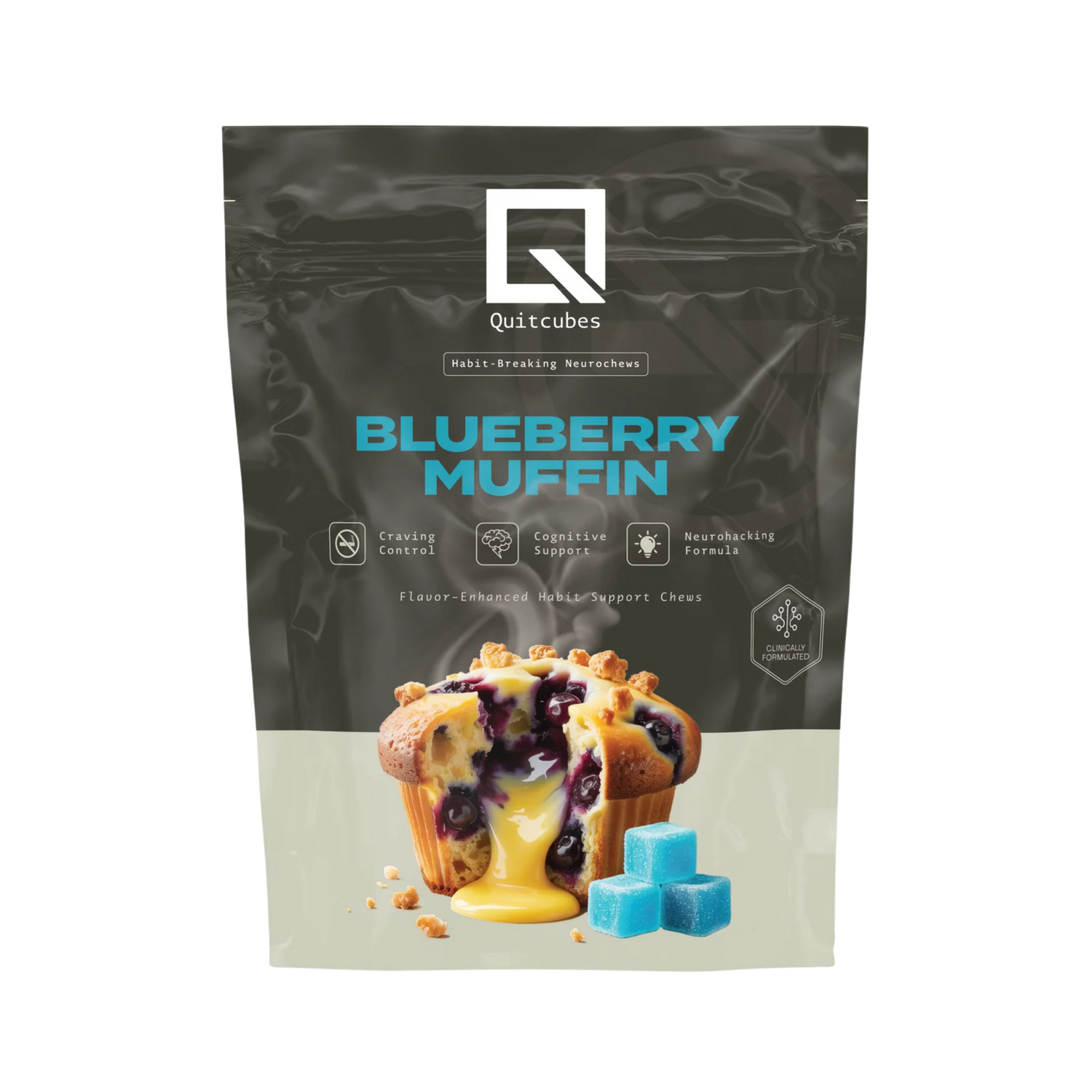
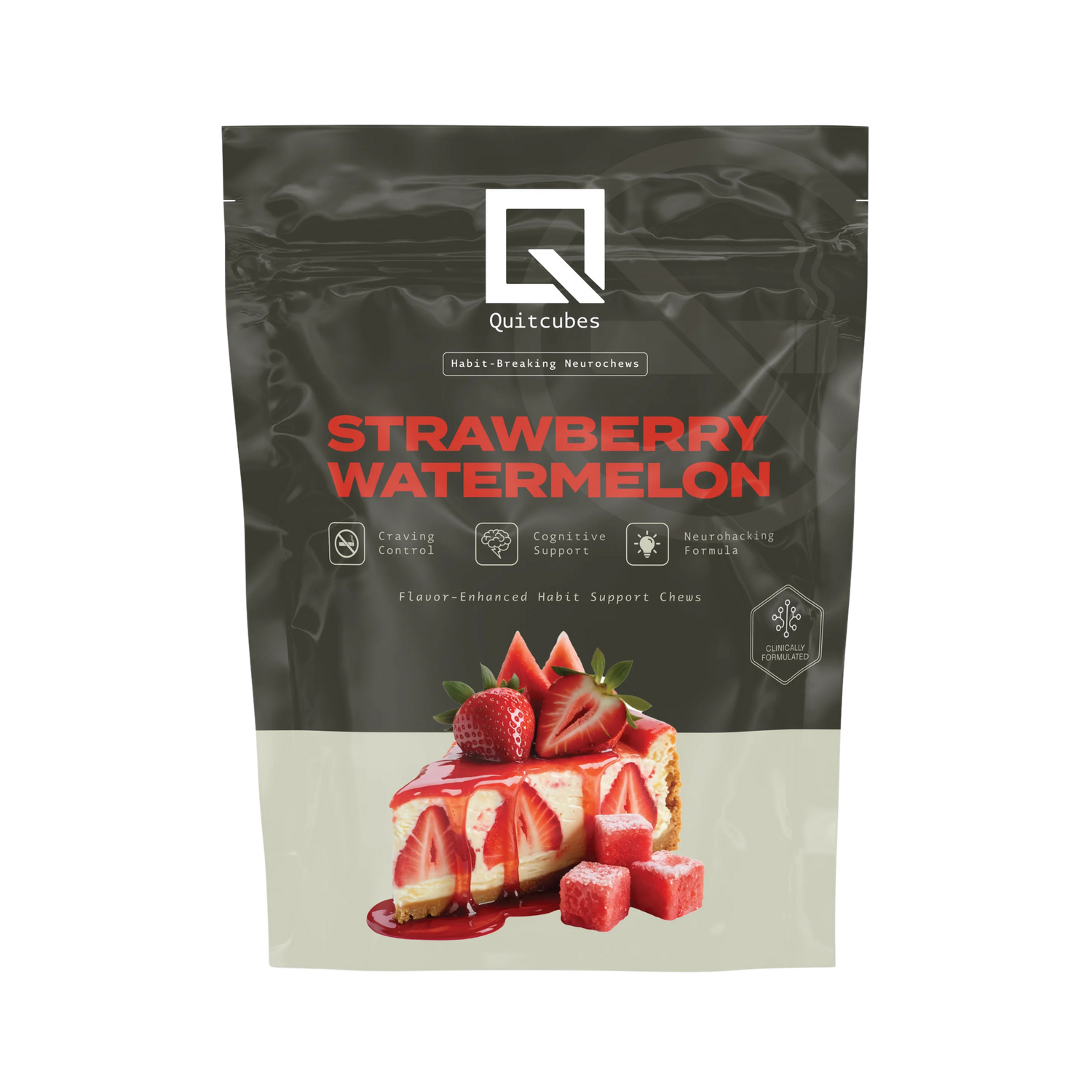
The best way to improve your lung health is to quit smoking and vaping. Although this may sound simple, it will be a difficult task for most people because it frequently results in numerous physical, psychological, and emotional cravings as well as several established habits that have formed over a long time. This is why Quitcubes were developed. As a non-nicotine, fruit-based gummy, Quitcubes serve as a better alternative to vaping and smoking. By addressing the behavioral and sensory rituals of the habit, they may help aid your journey toward a nicotine-free life, allowing your lungs the opportunity to begin their natural recovery process.
The Impact of Nicotine and Inhalation on Lung Function
Understanding why it benefits someone to quit smoking or using an e-cigarette can be found if you merely look at what has been done to the body when someone continues to smoke or use an e-liquid. Smoking from a traditional cigarette or vaping from a device both directly inject substances into the lungs of the person who smokes or vapes. The direct injection of harmful irritants into the bronchial tubes and alveoli, small air sacs in the lungs, is caused by either smoking or using an e-liquid. Nicotine is very damaging to individuals who smoke or vape as well.
Nicotine is most commonly identified as a stimulant for the brain; however, nicotine acts as a drug throughout the entire body. Nicotine leads to narrowing of blood vessels (vasoconstriction), decreasing the overall amount of oxygen supplied to the lungs for repair. Additionally, through time, nicotine use from cigarettes and vapes leads to decreased elasticity of lung tissue and ultimately, decreased overall volume of air that can be taken into the lungs.
The Science of Respiratory Harm: Long-Term Consequences
Many international health organizations have produced research showing that Nicotine (smoking/inhaling nicotine) style usage and inhalation of Nicotine leads to long-term/short-term effects. These will have a direct impact on the person who does this chronically, creating challenges to the overall health of those exposed to the chemicals in cigarette smoke/chemical components of a Vape.
Damage to the Cilia
Cilia are small, hair-like organelles located within the airways of the Respiratory System and are considered one of the first defense systems in the lungs against environmental pollutants, particulates, and microorganisms. Cilia normally function to "sweep" the lungs of unwanted substances, such as excess mucus and foreign particles, thereby keeping these areas of the body clean. When the cilia become immobilized due to smoking or using a Vape, they cannot function properly and will become overrun with unwanted material (e.g., mucus), eventually leading to a buildup of mucus and the development of "smokers' cough" along with higher rates of respiratory infections.
Chronic Inflammation and Alveolar Destruction
Repetitive inhalation of vapor or smoke triggers a persistent immune response. According to a study from the National Library of Medicine (PubMed ID 7722172), nicotine has been shown to modulate the body’s inflammatory responses. In the lungs, this chronic inflammation can lead to the destruction of the alveoli. The loss of these air sacs is permanent and won’t be replaced in your lungs; therefore, they can predispose you to diseases such as emphysema or chronic obstructive pulmonary disease (COPD).
The Stress Connection
Nicotine further complicates the quit journey by increasing the body's physiological stress. It triggers the release of adrenaline and cortisol, keeping the body in a state of high alert. According to research published by the American Psychological Association, this chemical stress makes the lungs and heart work harder than they should, even at rest. By choosing a better alternative to vaping and smoking, like Quitcubes, you stop this chemical cycle, allowing your body to exit the "fight or flight" state.
The Process of Lung Recovery: A Timeline of Healing
The incredible thing about the human body is its capacity for repair the moment the interference stops. When you switch to a nicotine-free routine, your lungs begin a structured process of recovery.
- 20 Minutes After Quitting: Your heart rate and blood pressure, which were artificially elevated by nicotine, begin to drop. This improves circulation to the lungs.
- 12 Hours After Quitting: The carbon monoxide level in your blood drops to normal. This means your blood can carry more oxygen to your vital organs and lung tissues.
- 2 Weeks to 3 Months: Your circulation improves, and your lung function begins to increase. You may notice that you are less winded during physical activity.
- 1 to 9 Months: The cilia in your lungs begin to regain normal function. They start to clear out the mucus and debris that have accumulated, significantly reducing the risk of infection. Your "smoker's cough" often begins to disappear during this time.
- 1 Year: The excess risk of coronary heart disease is half that of a continuing smoker.
- 10 Years: The risk of dying from lung cancer is about half that of a person who is still smoking.
How Quitcubes Aid Your Quit Journey
The process of quitting involves more than just quitting substances; it involves formulating an alternative to habitual behavior. Many find it difficult to stop their use of vaping or smoking because they lack a method for addressing the ritualistic nature of putting something in their mouths, as well as the stress that comes with stopping. The Quitcubes are designed to solve these problems.
Satisfying the Oral Fixation
The act of smoking or vaping serves as a comfort ritual for many users. Therefore, when cravings arise, the brain seeks something it recognizes as pleasurable through sensory means. Quitcubes provide an alternative that is both chewable and tactile. You no longer have to go for a vape when you feel a craving for nicotine; you can instead go for a gummy in Strawberry Watermelon or Blueberry Muffin.
Clean-Label Stress Management
The anxiety and tension associated with breaking the addiction to nicotine may seem overwhelming or too great to deal with. At Quitcubes, we have created our Quitcubes using a clean-label, functional food ingredient base designed to help manage and diminish the effects of anxiety. All our flavors are derived from natural fruits, so there are no artificial sweeteners or dyes added, making our products a healthier option than the chemical nicotine products available on the market today.
Rewiring the Habit Loop
By providing a pleasant, flavorful sensory experience, Quitcubes actively rewire the brain's response to triggers. Each time you opt for Quitcubes and not a cigarette or vape, you further reduce the old habit cycle while establishing a new nicotine-free daily routine. Providing a behavior substitution is one of the primary reasons Quitcubes can assist individuals in quitting smoking and/or vaping, especially those who have had limited success with previous quit plans.
Lifestyle Habits to Support Lung Function
While Quitcubes help you manage the behavioral side of the journey, you can further support your lung recovery through specific lifestyle choices.
Aerobic Exercise
Physical activity is one of the best ways to improve lung efficiency. Activities like brisk walking, swimming, or cycling force your lungs to work harder, which helps strengthen the muscles used for breathing. As your lung function increases after quitting, you will find that these activities become progressively easier.
Deep Breathing and Meditation
Practices like diaphragmatic breathing or meditation can help "re-train" your lungs. Many smokers and vapers take shallow breaths. Deep breathing exercises help maximize the surface area of the lungs used for oxygen exchange, and can also help manage the stress that often triggers a craving.
Hydration
Staying hydrated is essential for respiratory health. Water helps keep the mucosal linings in the lungs thin, making it easier for the cilia to clear out the debris left over from years of smoking or vaping.
The Long-Term Health Benefits of a Nicotine-Free Life
The benefits of moving to a better alternative to vaping and smoking extend far beyond just breathing easier. When you remove nicotine and its associated inhalants, you are drastically changing your long-term health trajectory.
- Reduced Cancer Risk: By stopping the introduction of carcinogens, you significantly lower the risk of lung, mouth, throat, and bladder cancers.
- Improved Heart Health: Quitting nicotine reduces strain on your cardiovascular system, lowering the risk of heart attack and stroke.
- Stronger Immune System: According to the National Library of Medicine (PubMed ID 7722172), removing the suppressive effects of nicotine may help aid your immune system in functioning more effectively against seasonal illnesses.
- Mental Clarity: Many people report improved attention and more stable moods without the frequent dopamine spikes and crashes associated with nicotine usage once the first "brain fog" of quitting passes.
A Natural Choice for a New Routine
We want to help you quit smoking and create a supportive environment for your journey. Quitcubes are naturally flavored, without artificial dyes or sweeteners. You get the taste of Blueberry Muffin or Strawberry Watermelon while you're quitting; you're choosing to add something good for your body to your day, something that supports your recovery.
Unlike your patch or gum, Quitcubes are neither a pharmaceutical cessation product nor a medical gadget. We don't promote Quitcubes as being safer than medical NRTs; rather, we offer a method of behavior support that takes into account the psychological and sensory aspects of quitting that many other products ignore.
Start Your Nicotine-Free Journey Today
Your lungs are ready to heal. From the very first hour you stop inhaling nicotine, your body begins the hard work of cleaning, repairing, and strengthening your respiratory system. You don't have to navigate the stress and the "hand-to-mouth" cravings on your own.
By incorporating Quitcubes into your plan, you are giving yourself a flavorful, functional, and nicotine-free way to fight back against the habit. Take the first step toward clearer breathing and a more independent lifestyle.
Are you ready to breathe easier? Order your Quitcubes today and discover a better alternative for your quit journey.
References & Sources
- National Library of Medicine (PubMed ID 7722172): Research on the pharmacological and immunological effects of nicotine on the human body. View Source
- American Cancer Society: Detailed timeline of the physical and respiratory benefits of quitting smoking over a 15-year period. View Source
- Centers for Disease Control and Prevention (CDC): Data on lung recovery, cilia restoration, and the reduction of chronic inflammation after nicotine cessation. View Source
- American Lung Association: Guidelines on the impact of vaping on lung tissue and the importance of behavioral substitution in quitting.
- Journal of Behavioral Medicine: Studies exploring the role of oral fixation and sensory ritual in the success of smoking cessation efforts.
Try Quitcubes Today
Quitcubes offer a better alternative to smoking and vaping. Break free from nicotine with a plant-powered alternative designed to try to help make the transition away from smoking or vaping easier.