The Role of Dopamine in Quitting Nicotine Naturally
To control your habits effectively, first understand how the brain works. A lot of people struggle with stopping smoking or using e-cigarettes because it is more involved than just "breaking the habit". There is a more complicated neurobiology involving nicotine that will explain why you need to re-adjust the reward pathways in your brain. All of this re-adjustment occurs due to the recalibration of dopamine, which is often referred to as the chemical that rewards and gives pleasure to your brain.
Once you decide to stop using nicotine, you'll be asking your brain to discover an additional route to navigate through its reward pathways. Because of this recalibration, it can feel like an extremely difficult journey. Understanding how dopamine functions within your body and by utilizing a replacement tool (or technique) that is geared toward behavior, you can begin to discover an alternative to smoking and vaping. Quitcubes is a fruit-based non-nicotine gummy designed to assist you in satisfying the habitual components of smoking and vaping while continuing toward your goal of a nicotine-free life.
What is Dopamine? The Brain’s Reward Messenger
The neurotransmitter dopamine is responsible for how we experience pleasure. It is a crucial component of the human "reward system," which drives some of the most basic aspects of existence, such as eating, socializing, and exercising, to maintain the species' survival. When people engage in pleasant activities, such as eating, interacting with others, or exercising, the brain releases a small amount of dopamine, which makes them feel fulfilled and boosts their desire to continue the activity.
How Nicotine Hijacks the Pathway
Nicotine can mimic the processes the brain normally uses. The brain absorbs nicotine within seconds of ingestion or inhalation, and it binds to nicotinic acetylcholine receptors throughout the brain. The brain releases an excessive amount of dopamine as a result of this chemical connection. Nicotine produces an abrupt spike in dopamine, whereas healthy activities release dopamine gradually.
The brain's desire to receive this immediate and intense reward leads it to prioritize obtaining nicotine over obtaining other natural rewards. With repeated exposure to this reward system, the brain becomes desensitized to dopamine by reconfiguring itself to produce less dopamine or to reduce the number of available nicotinic acetylcholine receptors. Once the effects of nicotine wear off, there is a rapid drop in the levels of dopamine in the brain, resulting in feelings of restlessness, irritability, and strong cravings associated with the "habit loop".
Long-Term Effects of Nicotine on the Mind and Body
Long-term nicotine usage has consequences that go well beyond the initial "hit." Users frequently encounter the following because the brain's reward system is constantly overstimulated and crashes as a result:
- Emotional Instability: Mood swings and increased irritation in the absence of the drug.
- Cognitive Fatigue: Inability to focus or concentrate without experiencing a nicotine surge.
- Physical Stress: Long-term exposure to stimulants such as nicotine raises blood pressure and heart rate, continuously taxing the cardiovascular system.
Knowing that your brain has been "hijacked" makes it easier to understand why quitting can be so difficult. It is a physiological reaction to a neurochemical imbalance, not a lack of willpower.
The Challenge of Quitting Naturally: Why We Created Quitcubes
If you choose to stop using nicotine "naturally" (without nicotine replacement products), you'll probably find that this method offers the fastest way to achieve full independence. Unfortunately, you will need the most support for changing your behavior. Once you have stopped taking in nicotine, your body will be deprived of dopamine: what were once rewarding experiences (your first cup of coffee in the morning or your stressful business meeting) will no longer create that pleasurable feeling.
Quitcubes were created as a better substitute for vape products and cigarettes by addressing those gaps left within the mind and body during this transition. Rather than continue to provide nicotine, Quitcubes offer alternative uses of sensory stimulation and functional ingredients.
A Behavioral Bridge
Quitcubes are fruit-flavored, clean-label sweets without nicotine. They are designed to serve as ritualistic stand-ins to help you navigate the change. Each chewable cube is made to fulfill the oral obsession that many smokers and vapers find hard to resist. Quitcubes may help you reprogram your brain's expectations at high-trigger moments by assigning tasks to your mouth and hands.
How Quitcubes May Support Dopamine Balance
Quitcubes function by assisting the brain's behavioral and sensory circuits, even if they don't contain nicotine to artificially stimulate dopamine. They could guide you through the dopamine vacuum in the following ways:
1. Breaking the Habit Loop through Substitution
A cue, a routine, and a reward make up the habit loop, as was previously mentioned. Reaching for a vaporizer is typically the routine if the cue is stress. Quitcubes let you maintain the "routine" of a hand-to-mouth habit while substituting a useful, fruit-based candy for the dangerous inhalant. By offering a "micro-reward" through flavor and texture, this replacement may help maintain dopamine balance by satisfying the brain's need for a routine without the chemical surge.
2. Satisfying Oral Fixation
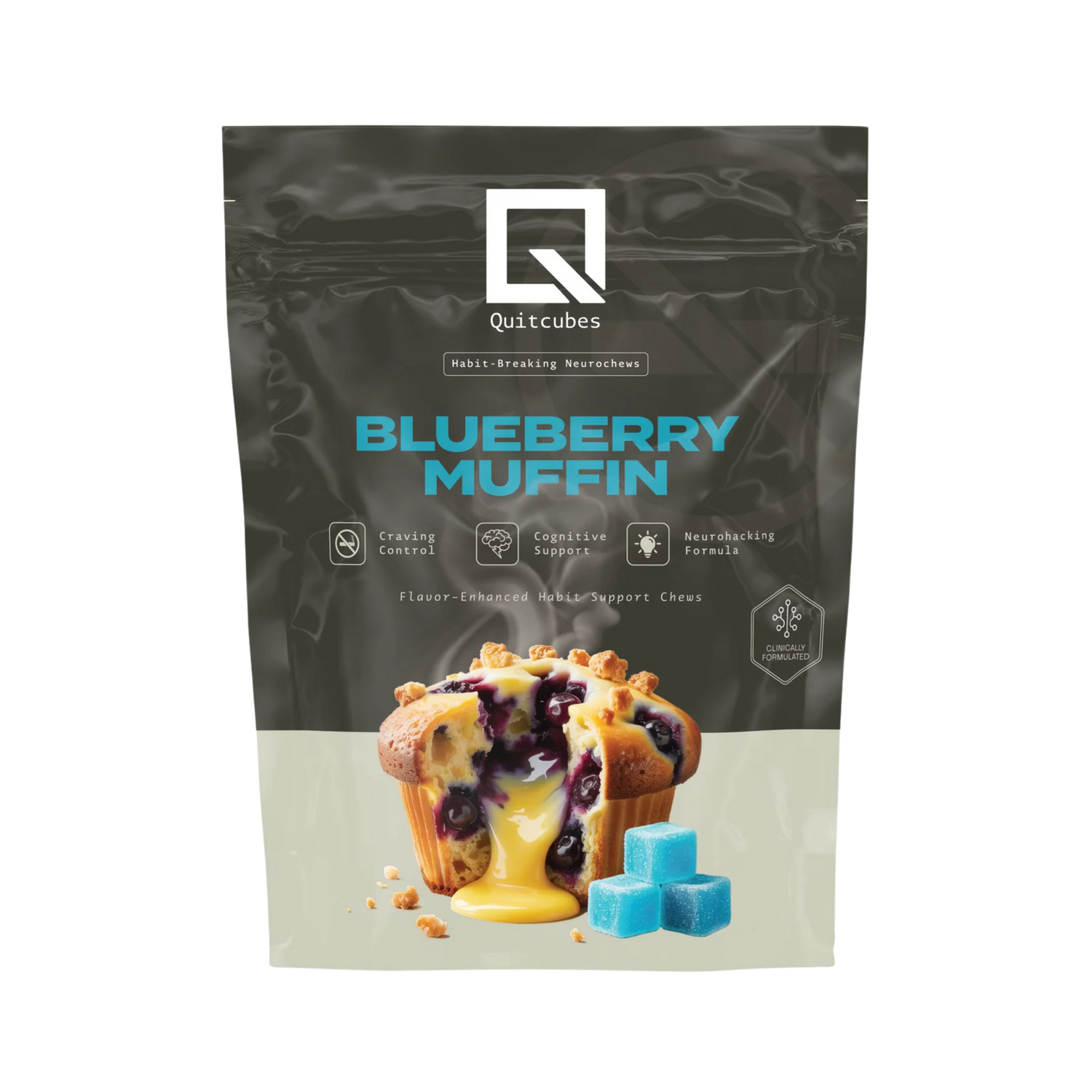
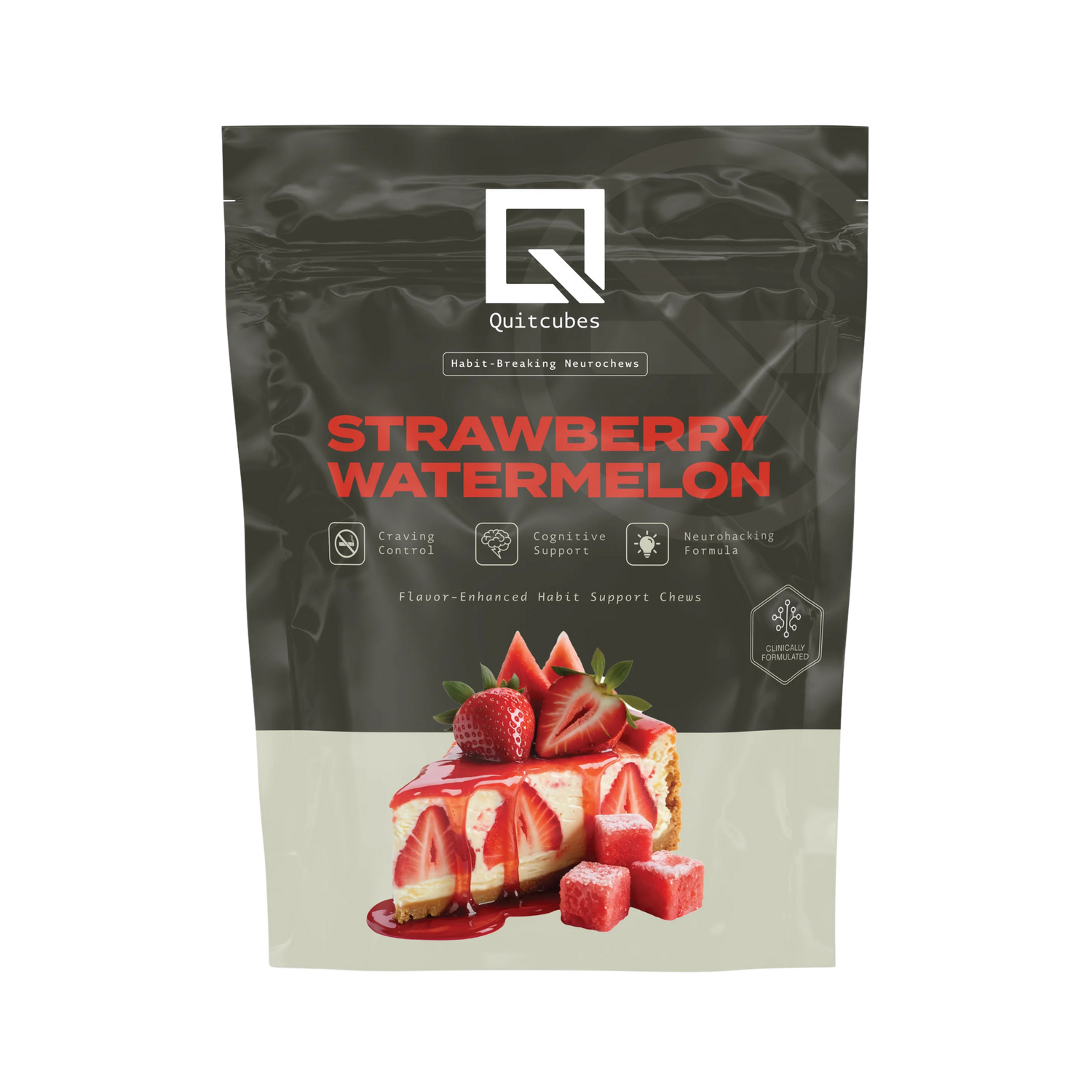
The physical act of chewing is a known way to reduce tension. For many, the "reward" of smoking or vaping is partially found in the oral sensation. Each Blueberry Muffin or Strawberry Watermelon cube provides a tactile experience that occupies the mouth and mind. This physical engagement may aid in behavioral changes by offering a familiar physical sensation that doesn't involve nicotine.
3. Mood Stabilization and Reduced Irritability
The "crash" in dopamine levels after quitting nicotine often leads to significant irritability. Quitcubes are made with a clean-label formula of functional ingredients that try to help manage and reduce stress. By providing a pleasant sensory distraction and using ingredients meant to support a calm state, Quitcubes may help you manage the emotional fluctuations that occur as your brain chemistry begins to stabilize.
Tips for Stabilizing Dopamine Naturally While Quitting
Using Quitcubes as a better alternative to vaping and smoking is a powerful strategy, but you can further support your brain’s recovery by incorporating other natural dopamine-stabilizing habits.
- Seek Natural Light: Exposure to sunlight, especially in the morning, helps the brain produce healthy levels of serotonin and dopamine, which may help improve mood during the early stages of quitting.
- Hydrate Constantly: Water helps your body process the remaining byproducts of nicotine use and keeps your energy levels stable, which may reduce the "foggy" feeling often associated with withdrawal.
- Engage in Short Bursts of Movement: Exercise is one of the most effective ways to trigger a natural, healthy dopamine release. A five-minute walk when a craving hits, followed by a Strawberry Watermelon cube, can be a powerful combination to reset your focus.
- Focus on Flavor: Intense flavors can provide a sensory "reset" for the brain. The bold, natural profiles of Quitcubes, like the dessert-inspired Blueberry Muffin, can provide a pleasant distraction that helps move your mind away from the craving.
The Benefits of Moving to a Nicotine-Free Life
When you choose to move away from nicotine and utilize a tool like Quitcubes, you are allowing your body to begin a process of natural restoration. While Quitcubes are a behavioral aid and not a medical treatment, the act of quitting nicotine itself provides profound benefits.
Physical Recalibration
- Cardiovascular Stability: Within hours of your last nicotine dose, your heart rate and blood pressure begin to return to normal levels. This reduces the constant stress on your heart.
- Improved Oxygenation: Your blood's capacity to carry oxygen is enhanced when there is no carbon monoxide from smoke or irritants from vapor. This could improve mental clarity and energy levels.
- Lung Resilience: As the lungs are no longer exposed to aerosols or smoke, the cilia (tiny hairs that clean the lungs) begin to recover, potentially reducing the frequency of respiratory irritations.
Mental Independence
For many, the biggest advantage is the cessation of the "dopamine chase." You ultimately get to the point where you are no longer "on edge" in the absence of a nicotine product by letting your brain reset its natural reward circuits. Through organic, daily activities, you regain the capacity to concentrate, unwind, and enjoy yourself.
A Clean-Label Approach for Your New Routine
We believe that moving away from nicotine should mean moving toward transparency. Many products in the vaping industry are filled with artificial dyes and synthetic sweeteners. Quitcubes are different. We focus on a clean-label formula because we believe a better alternative to vaping and smoking should be made with integrity.
- Naturally Flavored: Our flavors are derived from real fruit and natural sources.
- No Artificial Sweeteners or Dyes: We avoid the synthetic additives found in many traditional gummies and e-liquids.
- 0mg Nicotine: You are breaking the cycle, not just changing the delivery method.
Start Your Nicotine-Free Journey with Quitcubes
Rebuilding the reward systems in your brain may take time, patience, and finding the right products. The cravings from your past and your previous habits don’t have to define how you choose to live your life today. By selecting a nicotine-free, fruit-flavored option such as Quitcubes, you are creating an environment where you can develop your own healthy habits and routines.
Quitcubes provide an enjoyable and effective way to overcome the hurdles of quitting. Anytime you reach for a blueberry muffin-flavored cube while driving to work or a strawberry watermelon-flavored cube after work, you are making a conscious decision to use a clean-label option to support your transition towards a more positive long-term outlook on your behavior.
So, are you ready to take back control of your life? Order your Quitcubes today and start the process of achieving a life free from nicotine and balanced dopamine levels.
References & Scientific Sources
- National Library of Medicine (PubMed ID 7722172): This study explores how nicotine modulates the brain’s neurotransmitter systems and immune responses, highlighting the complexity of cessation. View Source
- Journal of Neuroscience: Research regarding the "Dopamine Hijack" and how nicotine alters the brain’s reward circuitry over long-term use.
- American Cancer Society: Information on the physical and neurological benefits of quitting nicotine, including the timeline of blood pressure and heart rate stabilization. View Source
- Healthline: Insights into how dopamine affects habit formation and the role of "substitution therapy" in managing oral fixations and behavioral change.
- Smokefree.gov: Guidance on the importance of managing triggers and using nicotine-free alternatives to support the psychological side of quitting.
Try Quitcubes Today
Quitcubes offer a better alternative to smoking and vaping. Break free from nicotine with a plant-powered alternative designed to try to help make the transition away from smoking or vaping easier.