Overcoming Irritability and Mood Swings Without Nicotine
When someone quits smoking or using nicotine, it represents a huge lifestyle change. Quitting during the first couple of weeks is usually accompanied by overwhelming feelings of anxiety, anger, and sadness. There are many reasons why a person may experience these emotions; some would include a lack of nicotine intake, withdrawal symptoms, and a change from an accustomed lifestyle.
Removing nicotine from a person's routine can lead to significant changes in their brain and body. This process can be particularly difficult for individuals to adapt to, as it can leave them feeling very emotionally unstable because of the "static" noise associated with nicotine withdrawal. This is why we created Quitcubes. As a non-nicotine, fruit-based gummy, Quitcubes were designed to be a better alternative to vaping and smoking. Crafted with a clean-label formula of functional ingredients, these chewable cubes try to help manage the psychological friction of the quit journey, supporting your emotional balance as you work to rewire your habits.
The Neurochemistry of the "Quit Crash"
To manage irritability effectively, it is essential to understand why it happens in the first place. Nicotine is a powerful pharmacological agent that modulates several neurotransmitters, most notably dopamine.
Nicotine and the Dopamine Hijack
Dopamine is the brain’s "reward" chemical. Under normal circumstances, it is released in response to healthy behaviors like eating, exercise, or social interaction. Nicotine hijacks this pathway by triggering an immediate, artificial spike in dopamine levels. According to a study from the National Library of Medicine (PubMed ID 7722172), nicotine acts as a potent stimulant that alters the brain’s chemical signaling.
As time passes, consumers will begin to develop tolerance to this artificial stimulation produced by nicotine. It begins to produce less of its own dopamine and reduces the number of available receptors. When you stop using nicotine, your dopamine levels plummet below the normal baseline. This "dopamine void" is the primary driver of the low mood and short-temperedness often experienced during withdrawal. Your brain is essentially screaming for a reward that is no longer coming.
The Role of Habitual Triggers
Irritability is caused by the disruption of deeply rooted habit loops rather than just the physiological lack of nicotine. Most nicotine users have certain "triggers" that are linked to vaping or smoking, like the morning commute, stress at work, or finishing a meal. The nervous system goes into a high-alert state when these triggers occur, disrupting the anticipated routine. Mood swings and a "short fuse" with friends, family, and coworkers are symptoms of this frustration.
How Quitcubes May Help Manage Irritability
Quitcubes were specifically formulated to address both the chemical and behavioral sides of the quit journey. Because they contain 0mg of nicotine, they allow your brain to begin the necessary process of resetting its own dopamine production while providing a functional tool to manage the "static" of the transition.
Satisfying Oral Fixation
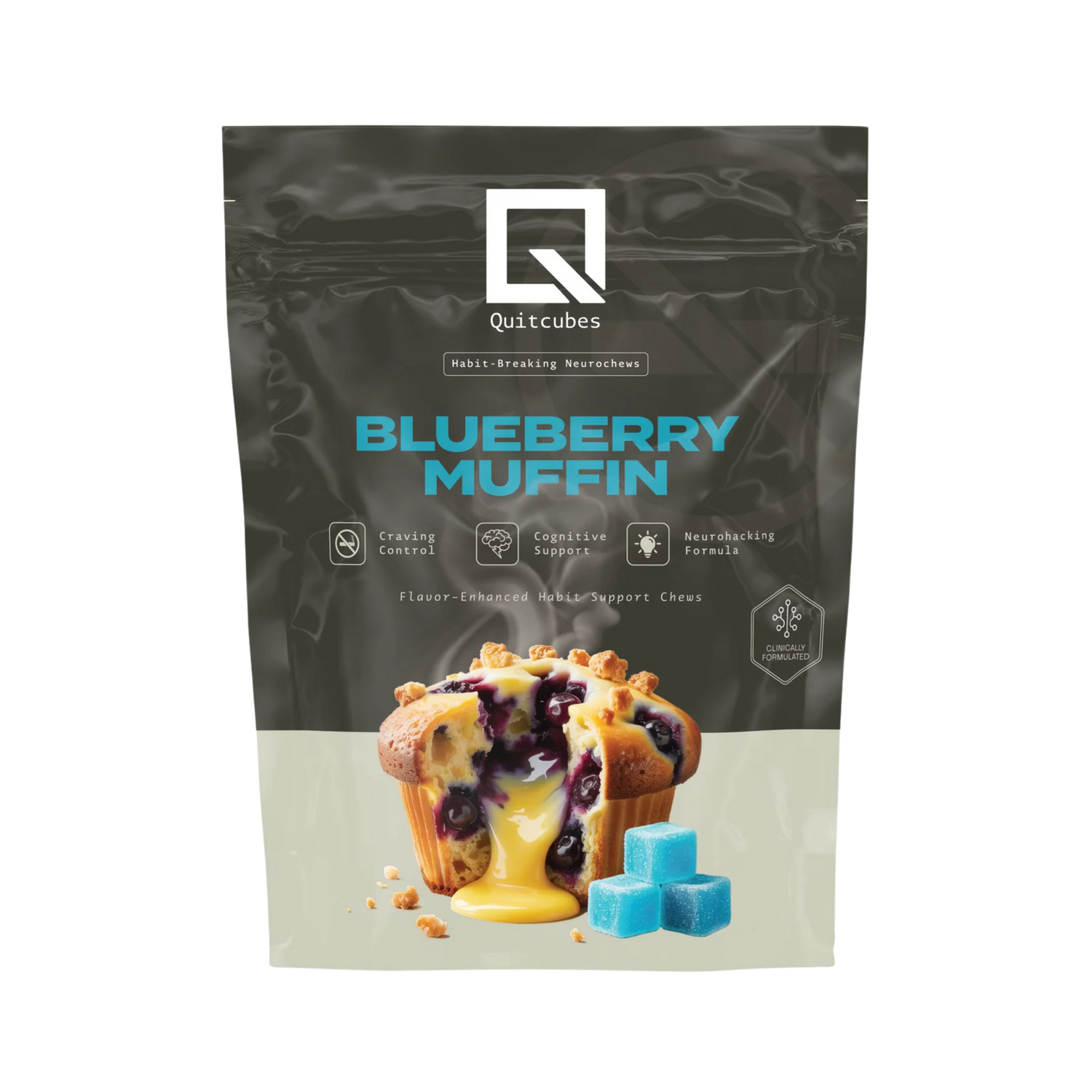
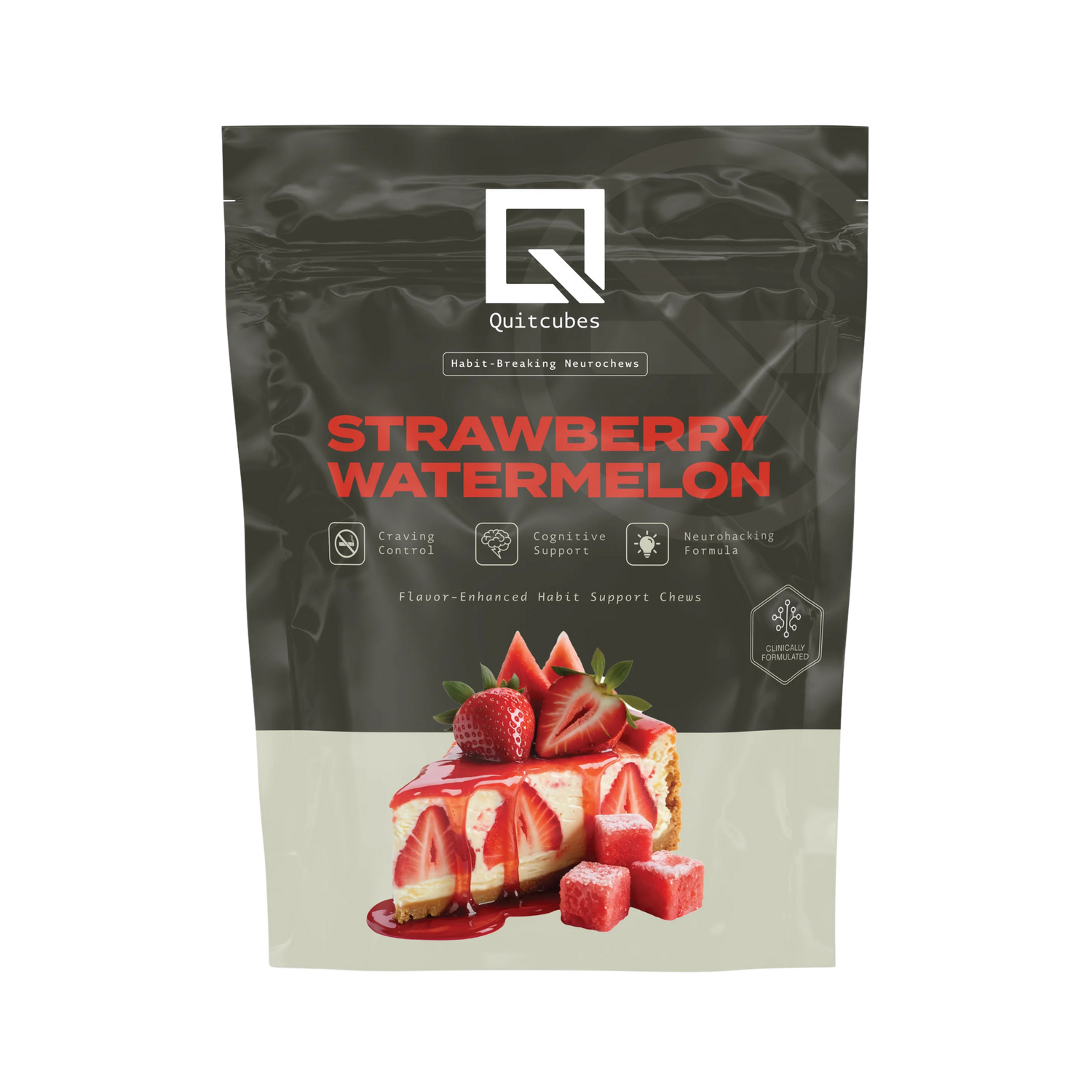
For many, the irritability of quitting is linked to an idle hand-to-mouth habit. The act of chewing has been shown to have a grounding effect on the nervous system. Each Blueberry Muffin or Strawberry Watermelon cube provides a tactile, sensory outlet for nervous energy. By giving your mouth and hands a task, Quitcubes try to help manage the restlessness that often boils over into anger or frustration.
Clean-Label Stress Support
Quitcubes are made with a clean-label formula of functional ingredients. These ingredients are included to try to help manage and reduce stress naturally. By providing a pleasant sensory experience without the use of artificial sweeteners or dyes, Quitcubes allow you to address your triggers in a way that is a better alternative to vaping and smoking.
Turning Triggers into Opportunities for Regulation
Combining Quitcubes with physiological resets is one of the best ways to use them. You can either follow the existing habit cycle or create a new one when a trigger arises and irritability begins to increase.
The Scenario: You feel anxious and short-tempered after a stressful meeting.
- The Old Way: Reach for a vape or cigarette to get a quick chemical hit.
- The Quitcubes Way: Take a Strawberry Watermelon cube. The intense, natural fruit flavor provides an immediate sensory distraction.
- The Reset: Take a five-minute walk as you munch. Your nervous system can automatically regulate itself instead of depending on a dopamine spike from nicotine, thanks to this combination of sensory substitution and physical exercise.
The Scenario: You are stuck in traffic, and the urge to smoke is causing "road rage."
- The Old Way: Smoke in the car to "calm down."
- The Quitcubes Way: Reach for a Blueberry Muffin cube. Focus on the flavor and texture. This satisfies oral fixation and provides a "micro-reward" that helps the peak of irritability pass.
You are educating your brain that it can handle a difficult situation without nicotine by utilizing Quitcubes in this way. This gradually rewires your habit loops, increasing your resistance to triggers in the future.
Step-by-Step Guide to Managing Mood Swings
If you are currently navigating the early days of your quit journey, here is a step-by-step approach to using Quitcubes to stay emotionally balanced:
Step 1: Label the Emotion
If you experience a spike in anger or sadness that happens suddenly, stop and call it what it is by saying it out loud, "I have irritability from Dart withdrawal." If you can acknowledge that this feeling is a chemical reaction to quitting rather than who you are as a person, you will take away some of the power it has over you.
Step 2: Utilize Sensory Substitution
Reach for a Quitcubes immediately. The bold, natural fruit flavors act as a sensory "circuit breaker." By focusing on the taste and the chewable texture, you ground yourself in the present moment. This may help curb cravings naturally before they escalate into a full-blown mood swing.
Step 3: Implement the "Five-Minute Rule"
Most intense cravings and spikes of irritability last about 5 to 10 minutes. Use that time to engage in a non-nicotine activity. Drink a glass of cold water, stretch, or step outside for fresh air while you enjoy your Blueberry Muffin cube.
Step 4: Communicate with Your Support System
If you are feeling particularly "edgy," let those around you know. A simple "I'm currently moving away from nicotine and feeling a bit irritable today" can prevent misunderstandings and reduce the social stress that often leads to relapse.
Long-Term Benefits: Emotional Control and Reduced Relapse
The primary reason people return to smoking or vaping is an inability to handle the emotional discomfort of the transition. Using a tool like Quitcubes to manage the behavioral side of the habit significantly improves your chances of long-term success.
Reclaiming Your Natural Baseline
As you move further away from your last dose of nicotine, your brain begins to repair its reward pathways. According to research from the National Library of Medicine, the cessation of nicotine allows the body's neurotransmitter systems to return to a more stable state. Eventually, you will reach a point where your mood is no longer dependent on a chemical hit.
Improved Emotional Resilience
Genuine emotional resilience can be developed by quitting naturally without substituting another type of nicotine. Instead of turning to drugs or alcohol, you learn how to manage stress, boredom, and rage. Because Quitcubes are a better alternative to vaping and smoking that focus on habit-rewiring rather than substance-replacement, they may aid you in developing the long-term emotional control necessary to stay nicotine-free for good.
Why Choose a Clean-Label Alternative?
When you are trying to stabilize your mood, the last thing you need is a crash from artificial sweeteners or synthetic dyes. Quitcubes are crafted with a commitment to transparency:
- No Artificial Sweeteners: We use natural fruit flavors to deliver a satisfying taste.
- No Artificial Dyes: Our gummies are as clean as our mission.
- Functional Ingredients: Every cube is designed with your quit journey in mind, helping satisfy oral fixation and manage stress.
We make no claims that Quitcubes are "healthier" or constitute medical treatment compared to clinical solutions like the patch or gum. For individuals who choose to address the habit loop directly, we provide a behavioral help tool. We make the journey to a nicotine-free life feel less like a chore and more like a choice by offering a tasty, pleasurable supplement to your everyday routine.
Take Control of Your Mood Today
Mood swings and irritability are normal during the process, but they don't have to be the end of your quitting journey. You may overcome the emotional "static" and emerge stronger with the correct support and a strategy for controlling your triggers.
Quitcubes are here to help you rewire your habits, one cube at a time. Whether you’re reaching for Strawberry Watermelon to beat a midday craving or keeping Blueberry Muffin in your car for the commute, you’re taking a step toward emotional independence.
Don't let a bad mood dictate your future. Order your Quitcubes online today and discover a better alternative for your journey to a nicotine-free life.
References & Scientific Sources
- National Library of Medicine (PubMed ID 7722172): A study on the immunological and pharmacological effects of nicotine, highlighting how it modulates neurotransmitters and impacts the brain's reward system. View Source
- American Psychological Association (APA): Information on the relationship between nicotine withdrawal and emotional dysregulation, including irritability and anxiety.
- Journal of Behavioral Medicine: Research into the effectiveness of oral fixation substitutes and sensory distraction in reducing the psychological distress of quitting.
- Centers for Disease Control and Prevention (CDC): Guidelines on managing the emotional side effects of quitting smoking and the importance of behavioral change. View Source
- Mayo Clinic: Insights into the role of dopamine in nicotine addiction and the timeline for brain chemistry stabilization after cessation.
Try Quitcubes Today
Quitcubes offer a better alternative to smoking and vaping. Break free from nicotine with a plant-powered alternative designed to try to help make the transition away from smoking or vaping easier.