The Impact of Nicotine-Free Living on Heart Health
The human heart is an incredible engine, tirelessly pumping blood to every corner of the body to sustain life. However, for those caught in the cycle of smoking or vaping, this engine is under constant, unnecessary pressure. Nicotine, a powerful stimulant, forces the cardiovascular system into a state of chronic overwork. Choosing to move toward a nicotine-free lifestyle is one of the most effective ways to alleviate this strain and support long-term heart health.
Transitioning away from nicotine is rarely a simple task. It requires addressing deep-seated physical habits and psychological triggers. This is where Quitcubes come in. Designed as a better alternative to vaping and smoking, Quitcubes are non-nicotine, fruit-based gummies crafted with a clean-label formula. By providing a functional way to satisfy oral fixation and try to help manage the stress of a lifestyle change, they may help aid you on your journey to a nicotine-free life, giving your heart the break it deserves.
The Connection Between Nicotine and Heart Health Risks
To understand why a nicotine-free life is so beneficial, it is essential to look at how nicotine interacts with the cardiovascular system. While many people focus on the lung damage associated with smoking or vaping, the heart often bears the brunt of the immediate pharmacological effects.
Increased Heart Rate and Blood Pressure
Nicotine is a sympathomimetic drug, meaning it mimics the effects of the "fight or flight" response. Within seconds of inhalation or ingestion, nicotine triggers the release of adrenaline (epinephrine). This causes an immediate increase in heart rate and a spike in blood pressure. According to a study from the National Library of Medicine (PubMed ID 7722172), nicotine acts as a potent modulator of the body’s natural chemistry, keeping the cardiovascular system in a state of artificial arousal. Over time, this sustained elevation places significant strain on the heart muscle and the walls of the arteries.
Vasoconstriction: Narrowing the Path
Nicotine is a powerful vasoconstrictor. It causes the smooth muscles in the walls of the blood vessels to contract, narrowing the pathways through which blood must flow. When vessels are narrowed, the heart must pump harder to circulate blood throughout the body. This increased workload can lead to the thickening of the heart muscle and, eventually, a decrease in the heart's efficiency. Furthermore, vasoconstriction in the smaller vessels can limit the delivery of oxygen and nutrients to vital tissues.
Endothelial Dysfunction and Clotting
The endothelium is the thin layer of cells lining the blood vessels. Nicotine use has been linked to endothelial dysfunction, where the vessels lose their ability to dilate and contract properly. This irritation also makes the arterial lining "sticky," promoting plaque buildup and increasing the risk of blood clots. When a clot forms in a narrowed, damaged artery, the risk of a heart attack or stroke increases significantly.
Why Stopping Helps: The Cardiovascular Recovery Timeline
The moment you stop introducing nicotine into your system, your heart begins a remarkable process of recalibration. The recovery starts almost immediately and continues to yield benefits for years to come.
- Within 20 minutes, your heart rate and blood pressure begin to return to a natural baseline. The immediate chemical stress caused by the last nicotine dose begins to dissipate.
- Within 12 Hours: If you were smoking, the level of carbon monoxide in your blood drops to normal. Carbon monoxide competes with oxygen for space in your red blood cells; when it leaves, your heart and other organs finally get the oxygen they need to function at peak capacity.
- Within 2 to 12 Weeks: Your circulation begins to improve. As vasoconstriction eases, blood flows more freely to your extremities and vital organs. You may notice that physical activity feels less taxing on your heart.
- Within 1 Year: Your excess risk of coronary heart disease is reduced by half compared to when you were actively using nicotine.
- Long-Term: Over 5 to 15 years of nicotine-free living, the risk of stroke and heart disease continues to drop, eventually reaching levels similar to those who have never used nicotine.
How Quitcubes Aid the Transition to a Nicotine-Free Life
Breaking the habit of smoking or vaping is difficult because it involves both a chemical trigger and a physical ritual. Quitcubes are specifically designed to address these challenges as a better alternative to vaping and smoking.
Satisfying the Oral Fixation
The "act" of smoking or vaping is just as much a part of the day for many people as the nicotine itself. Both oral sensation and hand-to-mouth action are deeply embedded. Quitcubes assist in satiating this oral obsession by offering a chewable, tactile stimulation. Each cube gives you something to do with your hands and mouth during those high-risk "trigger" moments like after a meal or during a commute, without introducing a single milligram of nicotine.
Managing the "Quit Stress"
As we’ve established, nicotine artificially "manages" stress by relieving its own withdrawal symptoms. When you stop, your natural stress levels can spike. Quitcubes are made with a clean-label formula of functional ingredients that try to help manage and reduce stress naturally. By providing a pleasant sensory experience and using ingredients designed for the transition, they may help you stay calm as your cardiovascular system stabilizes.
A Sensory Circuit-Breaker
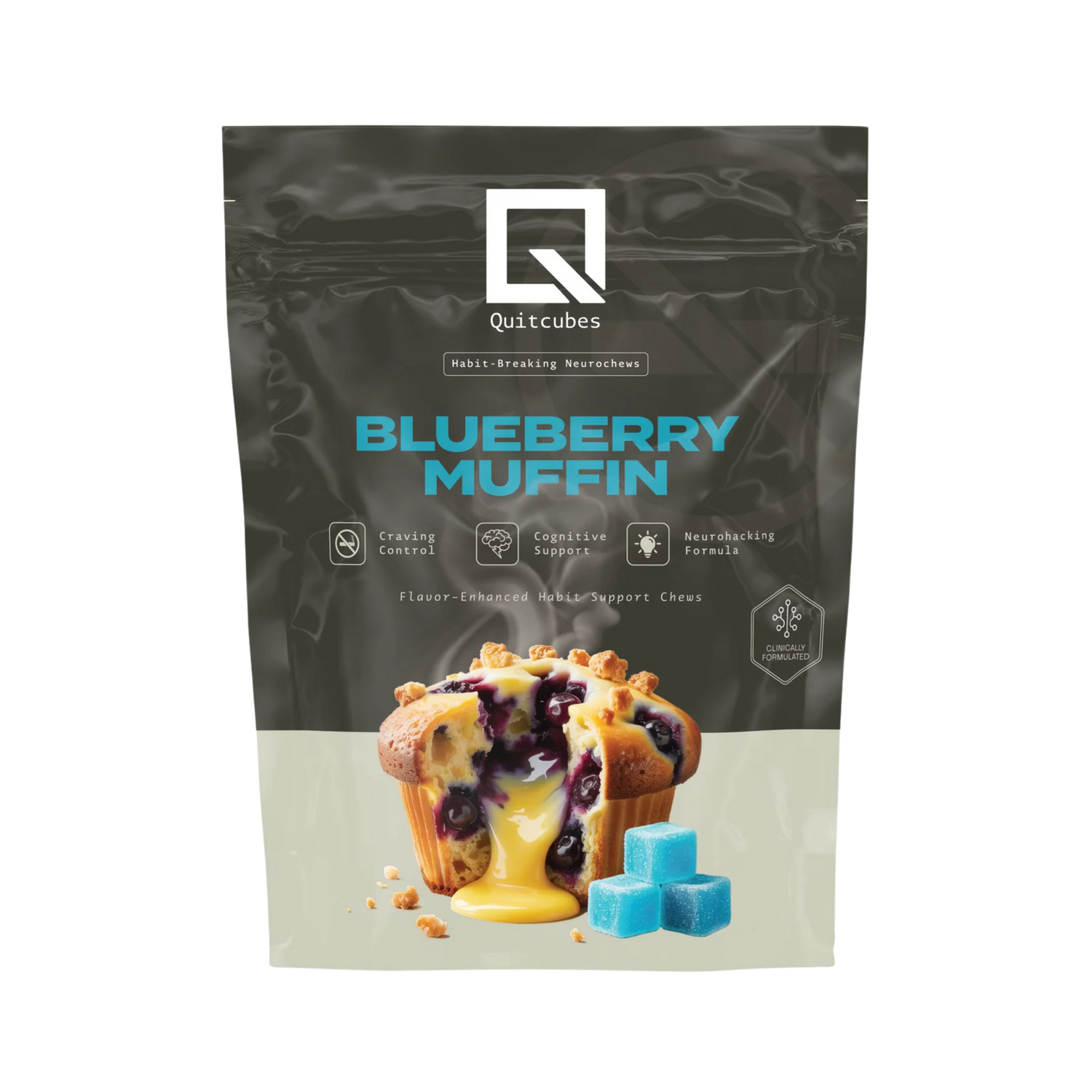
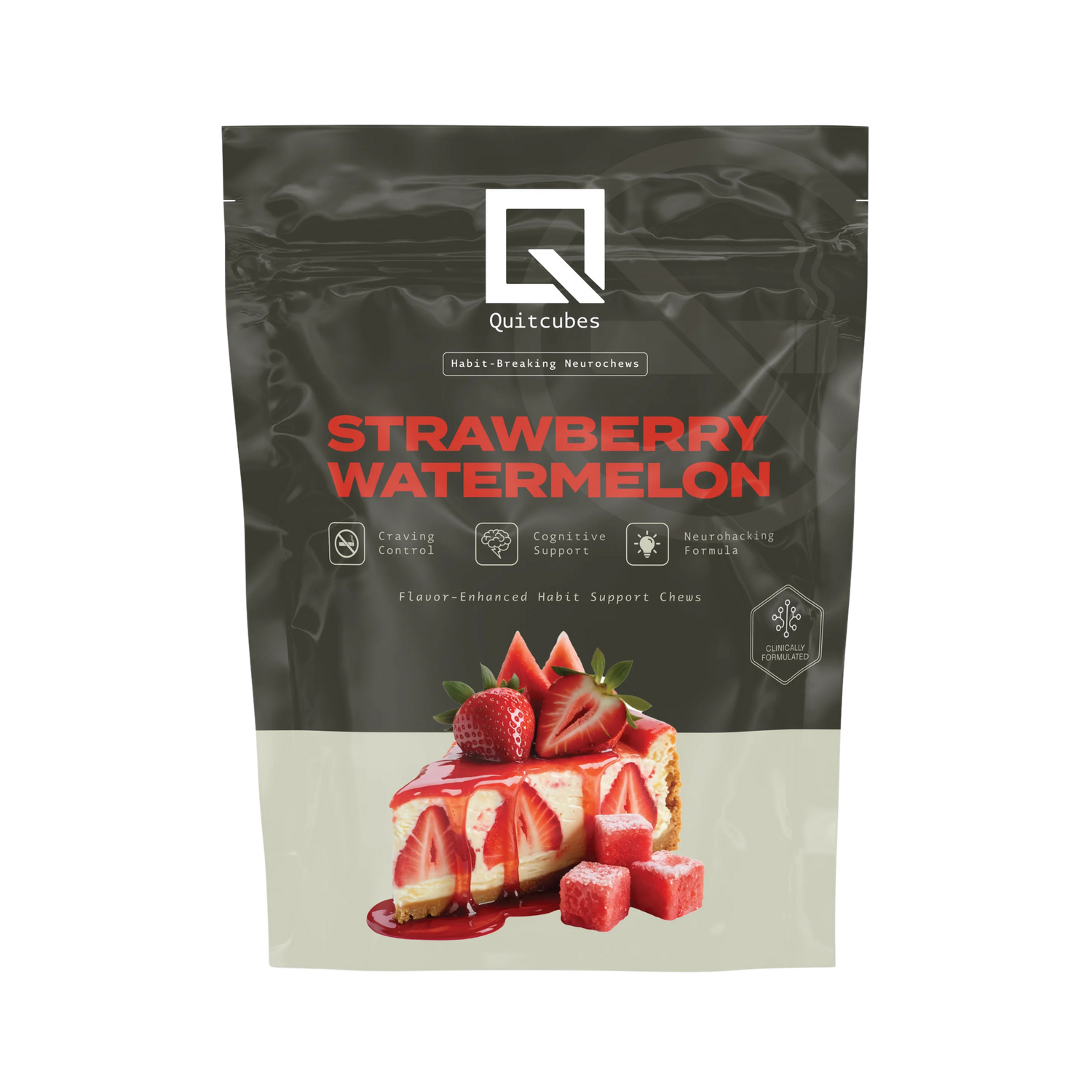
A desire is frequently a brief, powerful experience. Strawberry Watermelon & Blueberry Muffins' strong, organic tastes serve as a sensory diversion. Your brain's attention might be momentarily diverted from the yearning by concentrating on the gummy's texture and strong, authentic fruit flavor.
Beyond the Heart: The Systemic Impact of Nicotine-Free Living
While heart health is a major focus, moving away from nicotine affects every aspect of your life. When you stop forcing your body into an artificial state of stimulation, you allow it to return to its natural equilibrium.
Improved Sleep Quality
Nicotine is a stimulant that can interfere with the ability to fall asleep and stay in deep, restorative sleep stages. Better sleep leads to better emotional regulation and lower baseline stress levels, which further supports heart health. As your body moves away from the nicotine "spike and crash" cycle, you may find your sleep becomes more consistent.
Stabilized Energy Levels
Nicotine gives you an illusion of energy, then causes a dramatic decline. Removing this stimulation means that you will begin using your body's normal metabolic processes to generate energy instead. This results in consistent energy levels over the course of the entire day and will reduce the feelings of fatigue and "brain fog" that many people experience from using e-cigarettes or regular cigarettes, and therefore return to vaping or smoking for a quick boost of energy.
Reduced Systemic Inflammation
Low-grade systemic inflammation is linked to long-term nicotine usage. The heart, blood vessels, joints, and immune system are all impacted by this inflammation. A National Library of Medicine study found that quitting smoking is linked to the normalization of several inflammatory markers. By selecting a healthier substitute for smoking and vaping, you can lessen this internal "friction," freeing up your body's energy for healing rather than ongoing defense.
Why Choose a Clean-Label Alternative?
In your journey toward a nicotine-free life, the quality of your support tools matters. Many products in the vaping and tobacco industry are filled with artificial chemicals, dyes, and synthetic sweeteners. Quitcubes take a different approach.
- Naturally Flavored: Our Blueberry Muffin and Strawberry Watermelon varieties use natural flavors to provide an enjoyable addition to your daily routine.
- No Artificial Sweeteners or Dyes: We believe in transparency. Our clean-label formula means you know exactly what you are putting into your body.
- 0mg Nicotine: We aren't here to prolong the cycle of dependence. Our goal is to provide a functional substitute that helps you rewire your habits for good.
It is important to note that Quitcubes are not a medical device or a pharmaceutical cessation aid, such as a patch or gum. We do not make claims that Quitcubes are "healthier" than clinical nicotine replacement therapies. Instead, we offer a behavioral tool, a better alternative to vaping and smoking that addresses the sensory and psychological side of the habit that many other products ignore.
Rewiring Your Habits for a Stronger Future
Living nicotine-free has less to do with "quitting" and more to do with establishing a different set of behaviors. Reaching for a Quitcubes instead of a vape reinforces a new behavior and teaches both your brain and heart that you do not have to rely on a chemical to get you through each day.
Reconcile your behavior and rewire your brain, and you can build long-term success. By satisfying the physical urge to chew and providing a natural stress-management tool, Quitcubes may help quit smoking or vaping by making the transition feel less like a sacrifice and more like a proactive choice.
Start Your Journey with Quitcubes Today
Your heart has done extensive work for you over the years, and now it’s time to show your heart the love you have for it by helping it recover from the effects of smoking. By stopping nicotine use, you’re allowing your cardiovascular system to return to balance, repair itself through natural processes, and resume normal function (through dilation).
Quitcubes offer you support on this journey. They contain all-natural flavors that taste great, as well as provide you with substitutes for many of the habits that are difficult to break when quitting tobacco products.
Are you ready to support your heart and live nicotine-free? Order your Quitcubes online today and discover a better alternative for your daily routine.
References & Scientific Sources
- National Library of Medicine (PubMed ID 7722172): A study exploring the pharmacological effects of nicotine, specifically its role as a stimulant and its impact on the body's immune and cardiovascular responses. View Source
- American Heart Association (AHA): Data regarding the immediate and long-term cardiovascular benefits of quitting smoking and nicotine products. View Source
- Centers for Disease Control and Prevention (CDC): Information on how nicotine withdrawal affects the heart and the importance of behavioral substitution in quitting. View Source
- Mayo Clinic: Insights into the "stress paradox" of nicotine and the timeline for blood pressure and heart rate stabilization after cessation.
- Journal of the American College of Cardiology: Research on the impact of nicotine on endothelial function and the risk of arterial stiffness.
Try Quitcubes Today
Quitcubes offer a better alternative to smoking and vaping. Break free from nicotine with a plant-powered alternative designed to try to help make the transition away from smoking or vaping easier.